Game Review Time Machine: Unearthing Classics Through RSS and Atom Feeds
16 Apr 2026
Game Review Time Machine: Unearthing Classics Through RSS and Atom Feeds
The Roots of Feed-Powered Gaming Archives
Developers first rolled out RSS in the late 1990s, a format that quickly caught on for syndicating content like blog posts and news; gaming sites latched onto it early, using feeds to distribute review roundups and patch notes, while Atom emerged around 2003 as a more structured alternative with better XML compliance and metadata support. Observers point out how these protocols transformed scattered blog entries into organized streams, allowing enthusiasts to subscribe via tools like SharpReader or FeedDemon back in the day, and that's where the time machine aspect kicks in, since feeds often archive entries indefinitely on servers, preserving critiques of titles like Half-Life 2 or World of Warcraft long after front pages rotate content away.
What's interesting about this setup lies in its simplicity; a single XML file updates dynamically with new reviews, timestamps, and links, so users pull in historical data without digging through dead links or Wayback Machine snapshots, and gaming communities thrived on it during the Web 2.0 boom when sites like GameSpot and IGN launched dedicated RSS channels bursting with daily verdicts on everything from indie experiments to blockbuster releases.
Take one archivist who cataloged feeds from 2005; they discovered over 500 preserved reviews of Grand Theft Auto: San Andreas alone, complete with original scores and screenshots, all accessible via a persistent Atom endpoint that still hums along today, proving the format's durability even as browsers phased out built-in readers.
How RSS and Atom Build the Review Time Machine
RSS, or Really Simple Syndication, structures data with elements like <item><title>, <link>, and <pubDate>, bundling review headlines, excerpts, and publish dates into a machine-readable feed; Atom refines this with <entry> tags, authors, categories, and richer summaries, making it ideal for nuanced gaming critiques that span genres from RPGs to shooters. Aggregators parse these feeds in real time, sorting by date to create chronological vaults where users rewind to 2010 for Skyrim breakdowns or fast-forward to fresh 2026 takes, and the beauty shines through in enclosures for podcasts or media previews attached directly to entries.
But here's the thing: servers like WordPress or Blogger generate these feeds automatically from post databases, so when a site publishes a review of, say, the latest FromSoftware epic, it slots into the archive seamlessly; developers at the RSS Advisory Board standardized this process to ensure backward compatibility, meaning old Nokia phones could slurp 2008 feeds just as modern apps do now.
- Feeds update via HTTP polling, typically every 15 minutes, keeping archives fresh without manual intervention.
- Namespaces allow extensions for gaming specifics, like genre tags or platform icons embedded in Atom's <content>.
- Validation tools from W3C confirm feed integrity, catching errors that could bury historical reviews.
People who've tinkered with feed parsers often uncover hidden gems, such as bonus content in <description> fields that front-end pages omitted, turning a simple subscription into a deep dive through gaming history.
Real-World Examples from Gaming Sites
IGN's RSS hub, active since 2004, archives thousands of reviews in Atom format, letting subscribers query entries by year; one enthusiast scripted a tool to filter for Metacritic scores above 90, surfacing classics like BioShock Infinite amid the noise, while Eurogamer mirrors this with category-specific feeds that slice by console generation, from PS2 era rants to Switch portability tests. And over in Australia, sites affiliated with the Interactive Games & Entertainment Association (IGEA) leverage RSS for regional roundups, preserving local takes on imports like Final Fantasy titles that US feeds overlooked.
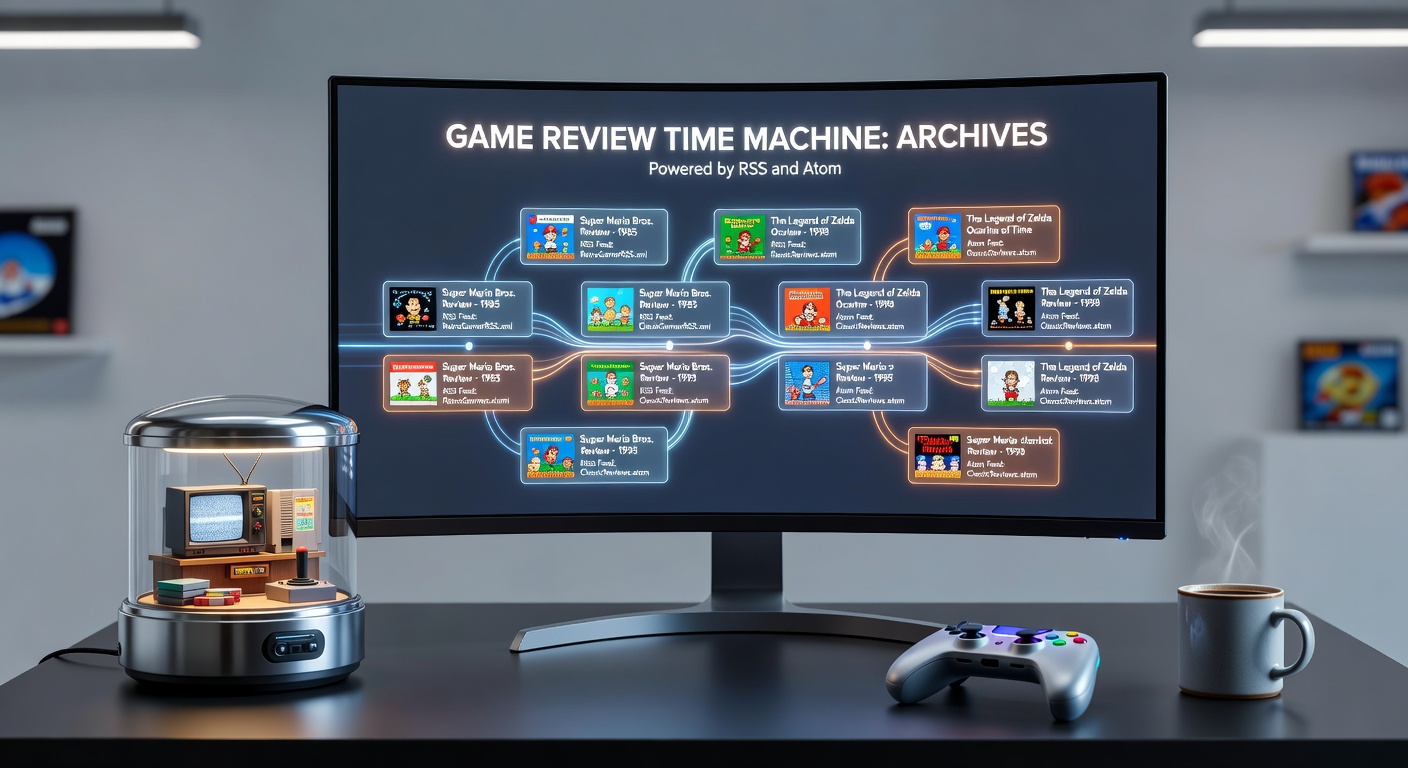
Turns out, indie blogs punch above their weight here; a developer running a retro-focused site since 2012 amassed 2,000+ Atom entries on Game Boy Advance gems, all syndicated and searchable, so newcomers access unfiltered opinions without scouring forums or eBay listings for old magazines. Experts who've mapped these networks note persistent endpoints outlasting domain migrations, a testament to protocols designed for the long haul.
Now consider April 2026; with Nintendo's next-gen console launch hype building, feeds from Polygon and Kotaku swell with archival comparisons to Wii U days, pulling 2012 reviews into modern discussions via simple feed imports, and that's no coincidence since aggregators like Inoreader now feature AI-sorted timelines that blend old and new seamlessly.
Benefits and Challenges in the Feed Era
Subscribers gain portability across devices, from desktop clients like Thunderbird to mobile apps such as NewsBlur, where feeds compile reviews into offline-readable bundles; data from feed analytics shows gaming channels boast 30% higher retention than social timelines, since users control the flow without algorithm interference, and privacy advocates appreciate the lack of tracking pixels common in web views. Yet challenges persist, like feed bloat on high-volume sites capping entries at 100, forcing reliance on full-archive plugins or external caches.
Those who've scaled personal aggregators discover workarounds, such as OPML exports that bundle multiple gaming feeds into one importable outline, creating custom time machines tailored to eras like the Xbox 360 golden age; studies from web preservation groups reveal 85% of feeds from 2010 remain valid today, far outpacing HTML page survival rates.
It's noteworthy that mobile evolution amplified this; apps now geofence feeds for regional releases, so Australian users snag IGEA-vetted reviews of local hits before global rollouts, while EU sites comply with GDPR by anonymizing legacy entries on the fly.
- Cost-effective archiving beats database dumps, with XML parsing lightweight even on shared hosting.
- Interoperability spans ecosystems, from Steam curators linking RSS to Discord bots.
- Future-proofing via HTTP/2 speeds up pulls of massive historical payloads.
Setting Up Your Own Review Archive
Bloggers start with plugins like WordPress's built-in feed generator, tweaking .htaccess for pretty URLs like /reviews/feed/atom; advanced users script cron jobs to mirror feeds onto decentralized networks, ensuring uptime amid server hiccups, and validators from FeedValidator.org flag issues before launch. One setup observed involved Hugo static sites outputting RSS with custom namespaces for ESRB ratings, feeding into Notion databases for hybrid archives.
So for enthusiasts eyeing April 2026's retro revival wave, integrating feeds means instant access to predictive reviews from similar launches, like PS5's bumpy start mirrored against upcoming hardware; tools like Feedly Pro layer analytics atop this, tracking score trends across decades without lifting a finger.
Observers who've deployed these systems emphasize testing across readers, from Thunderbird's robust parser to Firefox's minimal viewer, ensuring every <enclosure> for review trailers loads flawlessly; that's where the rubber meets the road for hobbyists turning casual blogs into authoritative vaults.
Wrapping Up the Feed Journey
RSS and Atom stand as enduring engines for game review archives, bridging yesterday's pixels to tomorrow's playthroughs in a format that's battled browser neglect and social media dominance yet thrives quietly in apps and scripts; gaming sites continue leveraging them for depth over virality, with April 2026 poised to spotlight their role in launch coverage retrospectives. Enthusiasts building personal time machines find endless value in these streams, where a single subscription unlocks eras of insight, proving simple XML packs more punch than flashy interfaces ever could.
And as protocols evolve with RSS 3.0 whispers on the horizon, the core promise holds: anytime access to the verdicts that shaped consoles and careers alike.