Accessibility Adjustments Redefining Tournament Brackets in Fighting Game Circuits
Viktor Wolf · Jul 16, 2026
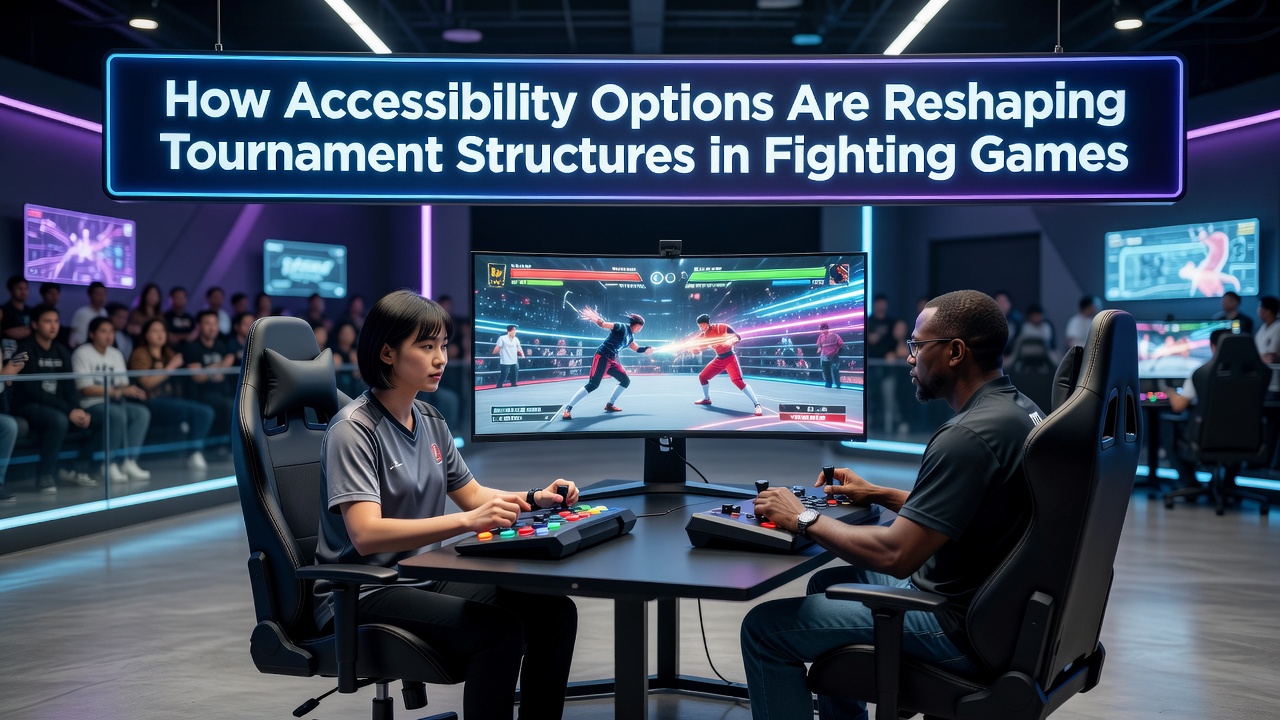
Accessibility Adjustments Redefining Tournament Brackets in Fighting Game Circuits
Accessibility features have begun altering how organizers structure brackets and categories in fighting game events, with developers integrating options like simplified input schemes, color-blind filters, and adjustable timing windows that allow broader participation without altering core competitive integrity. These changes started gaining traction after major titles released patches in 2024 and continued evolving through mid-2026, when several circuits introduced dedicated divisions for players relying on assistive settings. Tournament directors now separate standard and accessibility-enabled pools in preliminary rounds, which prevents direct mismatches while still feeding winners into unified finals brackets.
Input Customization and Bracket Reorganization
Developers such as Capcom and Bandai Namco added remappable button layouts plus macro-free assistance modes to Street Fighter 6 and Tekken 8, prompting event hosts to revise qualification rules accordingly. Data from the Evolution Championship Series shows that accessibility-enabled entries rose from under 5 percent in 2023 to 18 percent by July 2026, forcing staff to create parallel seeding systems that account for different input profiles. Organizers track these profiles through registration forms, then assign players to pools that balance hardware usage and software toggles, which keeps matches equitable across the board.
Observers note that single-elimination formats have given way to Swiss-system pairings in early stages at several regional qualifiers, because the latter accommodates varied reaction times and control preferences more effectively than rigid brackets. This shift emerged after a 2025 pilot event in North America where standard and assisted players competed together, resulting in rule clarifications published by the International Esports Federation that recommended category splits for fairness.
Regional Circuits Adopt Inclusive Categories
European circuits followed suit after the European Accessibility Act took full effect in 2025, requiring event platforms to support screen-reader compatible menus and subtitle scaling. Australian tournaments under the auspices of the Australian Esports Association implemented similar divisions in 2026, citing participation data that indicated a 27 percent increase in entrants using color adjustment tools. These categories run concurrently with open brackets yet merge at quarterfinal stages when players opt out of assisted modes, creating hybrid advancement paths that maintain competitive tension.
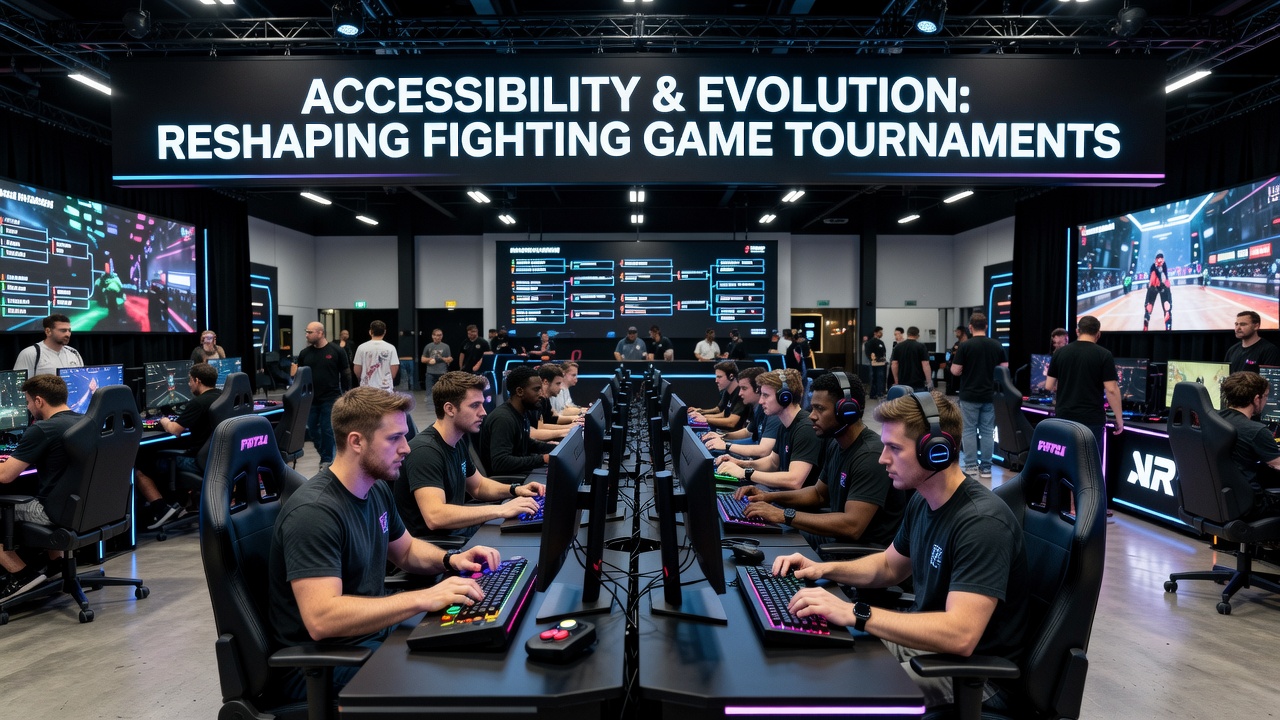
Research from the University of California, Irvine documented how these structural tweaks reduced drop-out rates among players with motor or visual impairments, because the new pools allowed consistent practice against similarly equipped opponents. Figures released by the association reveal that match durations remained stable across categories, since timing windows and input buffers scale proportionally rather than granting outright advantages.
Hardware Standards and Rule Enforcement
Event staff now inspect controllers and software configurations before matches, a practice formalized after incidents in early 2025 where unauthorized macros slipped through verification. The process involves pre-tournament calibration sessions that log each player's chosen settings, which then determine pool placement and any required handicap adjustments. Those who studied enforcement logs note that violations dropped sharply once transparent logging replaced post-match reviews, because participants understand the criteria in advance.
Cross-regional events have begun experimenting with unified rule sets that reference both North American and Asia-Pacific guidelines, allowing players traveling between circuits to retain familiar configurations. This harmonization effort gained momentum following a July 2026 summit where representatives aligned on minimum accessibility thresholds without mandating identical bracket formats at every stop.
Conclusion
Accessibility options continue to influence how fighting game tournaments allocate resources, schedule matches, and define advancement criteria, with data indicating sustained growth in inclusive participation through the latter half of 2026. Circuits that adopted parallel categories early report higher retention, while those maintaining single pools face ongoing pressure to revise formats based on registration trends. The resulting structures preserve competitive standards by isolating variables rather than eliminating them, which keeps events both accessible and decisive for all entrants.