Charting the Course of Cross-Device Progression Systems in Modern Interactive Experiences
Carlo Peters · May 21, 2026
Charting the Course of Cross-Device Progression Systems in Modern Interactive Experiences
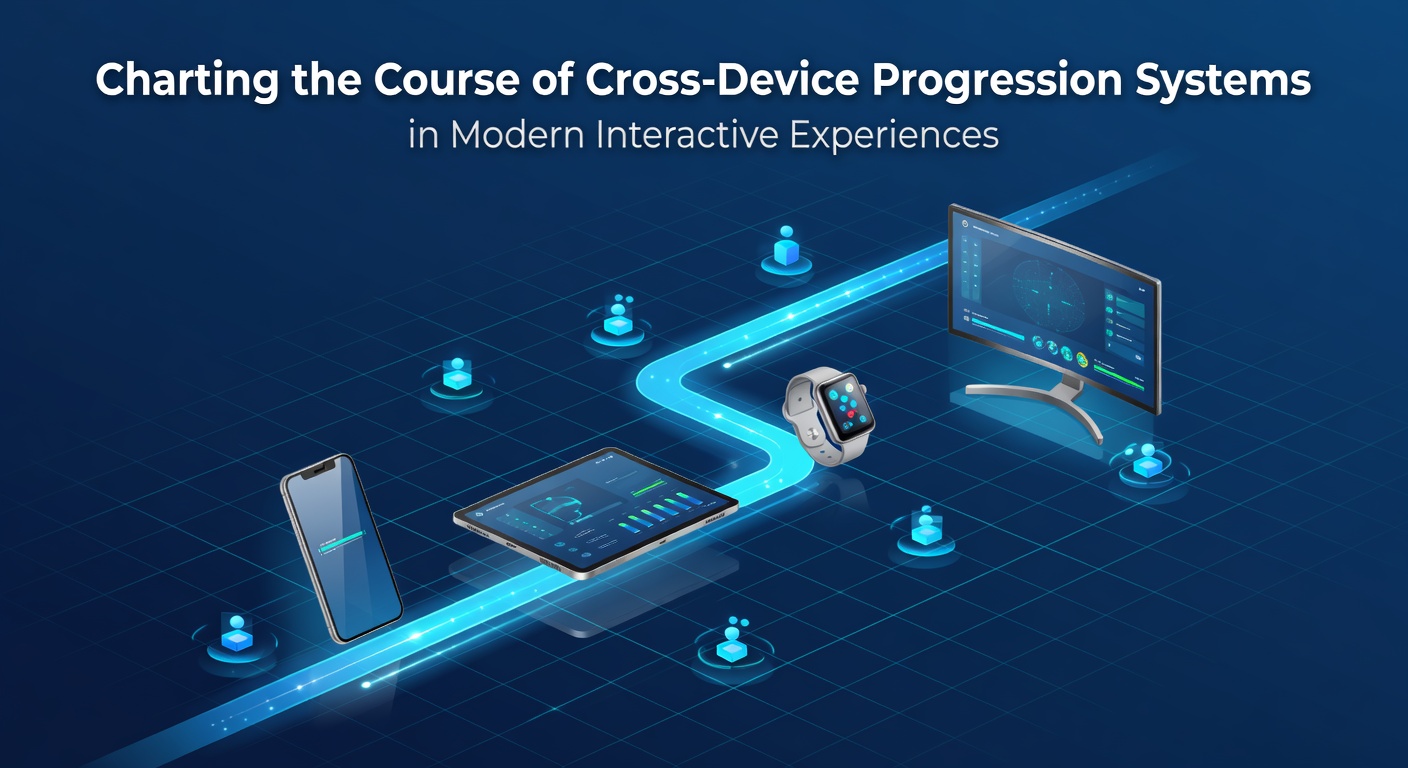
Cross-device progression systems allow users to maintain continuous advancement across smartphones, tablets, consoles, and personal computers in interactive entertainment. These frameworks rely on cloud synchronization, account-based tracking, and standardized data protocols to transfer progress without interruption. Industry observers note that such systems emerged from early cloud storage experiments in the 2010s and expanded rapidly as mobile and home hardware converged in capability.
Developers implement these mechanisms through centralized servers that store player data including levels completed, items collected, and achievements unlocked. According to reports from the Entertainment Software Association, over 70 percent of major titles released between 2023 and 2025 incorporated some form of cross-device support. This approach reduces redundancy for participants who switch devices during daily routines or travel.
Evolution of Synchronization Technologies
Initial versions depended on manual saves uploaded to proprietary clouds, yet later iterations introduced automatic background syncing via encrypted connections. Researchers at various academic institutions documented how application programming interfaces evolved to handle latency differences between networks in urban and rural settings. By 2024, partnerships between hardware manufacturers and software providers established common standards that improved compatibility across ecosystems.
One notable advancement involved integration with biometric authentication, which verifies user identity while transferring session data. Figures from European Union digital economy studies reveal that seamless progression features correlate with longer engagement periods across multiple device types. Developers now test these systems under simulated network conditions to ensure stability during peak usage hours.
Implementation Across Platforms
Modern interactive experiences employ unified login systems tied to platform accounts or third-party services. These setups enable real-time updates where actions performed on one device reflect immediately elsewhere. Observers point out that mobile-first titles often lead adoption because smaller teams prioritize lightweight data structures that scale efficiently to higher-end hardware.
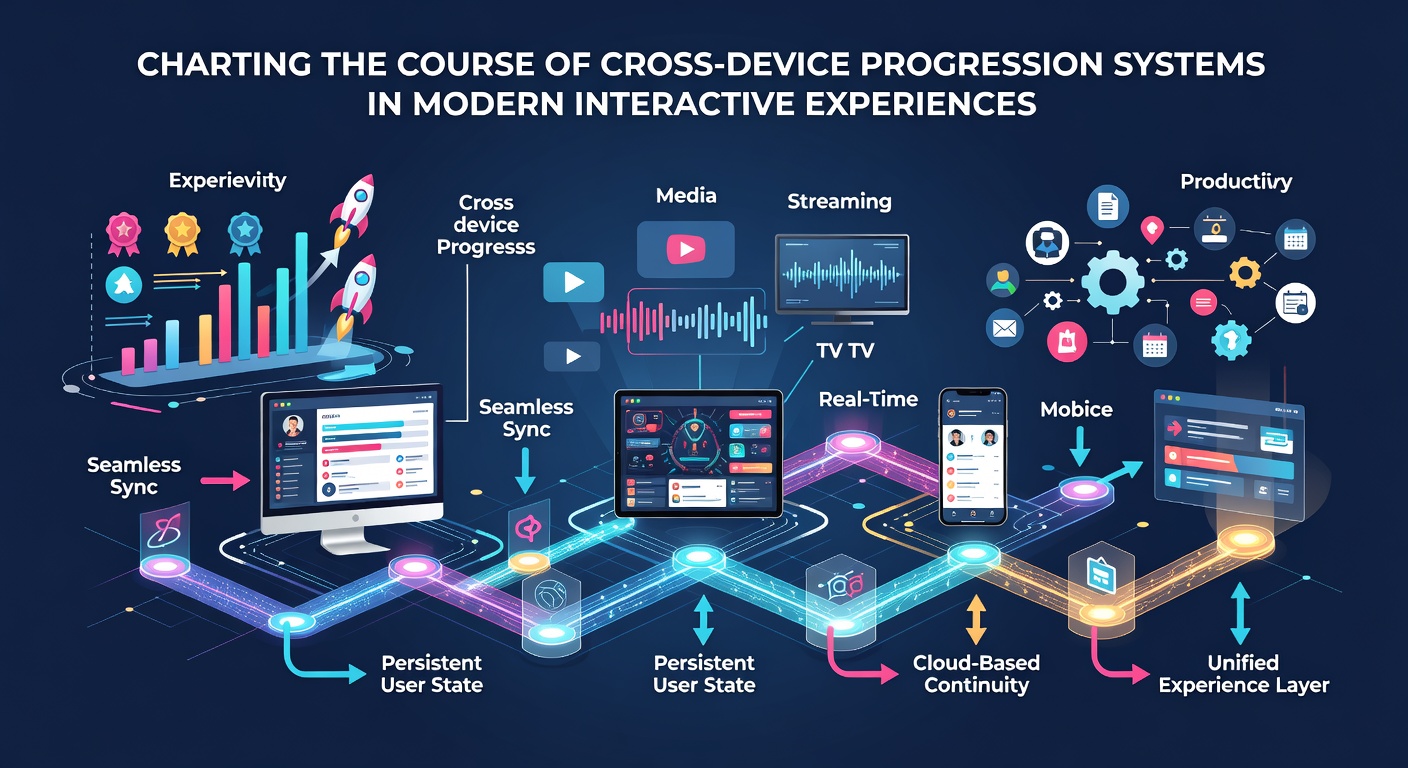
Console manufacturers have adopted similar frameworks, with examples including shared inventories in multiplayer environments. Data indicates that titles supporting full cross-device progression see increased participation from regions with high smartphone penetration. In May 2026, several industry conferences highlighted new middleware tools designed to simplify implementation for independent studios lacking extensive backend resources.
Technical Challenges and Solutions
Latency remains a primary concern when synchronizing complex game states involving physics simulations or large asset libraries. Engineers address this through predictive algorithms that preload anticipated changes based on user behavior patterns. Australian government technology assessments have examined how regulatory frameworks influence data privacy during these transfers, prompting developers to adopt end-to-end encryption as standard practice.
Storage limitations on certain devices require selective syncing that prioritizes essential progress markers while deferring optional content. Industry groups report that optimized compression techniques now reduce bandwidth demands by up to 40 percent compared to earlier methods. Those who manage large-scale deployments emphasize rigorous testing cycles to prevent desynchronization errors that frustrate participants.
Future Directions in 2026 and Beyond
Emerging trends point toward deeper integration with augmented reality interfaces that blend physical and digital progression elements. Research institutions continue exploring decentralized ledger options for verifying ownership of in-experience assets across unrelated platforms. Current projections suggest broader adoption in educational and training simulations where consistent user advancement supports long-term skill development.
Hardware advances in portable devices further reduce gaps between mobile and stationary performance, allowing more ambitious content to transfer without compromise. What's interesting is how these systems encourage collaborative development between formerly siloed platform holders seeking mutual growth in user bases.
Conclusion
Cross-device progression continues reshaping interactive experiences by removing traditional barriers between hardware categories. Ongoing refinements in synchronization protocols and data management practices support expanding accessibility worldwide. As of May 2026, the trajectory points toward even tighter integration that maintains continuity regardless of device choice or location.