Chip Evolutions Paving Ways for Indie Creators to Blend Mobile and Console Playstyles
Viktor Wolf · Aug 6, 2026
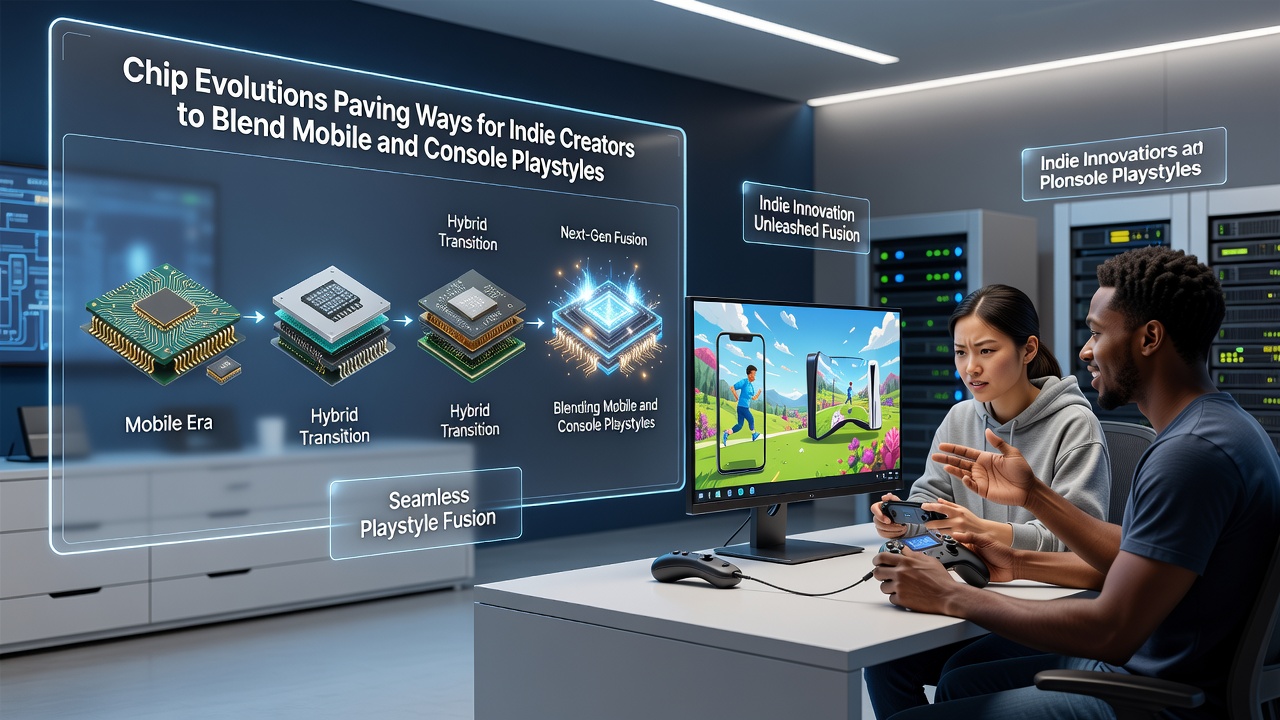
Chip Evolutions Paving Ways for Indie Creators to Blend Mobile and Console Playstyles
Chip evolutions have transformed how independent developers approach game creation since specialized processors gained traction in both handheld and stationary devices, and data from industry reports shows these advancements allow single codebases to support touch-based interactions alongside traditional controller inputs without major rewrites. Researchers at various institutions note that improved efficiency in mobile silicon now rivals earlier console generations, which means smaller teams can target multiple platforms simultaneously while maintaining performance standards that players expect across ecosystems.
Semiconductor Shifts Reshape Development Pipelines
Manufacturers introduced architectures with unified memory pools and enhanced graphics cores over recent years, and these changes reduced the technical barriers that once separated mobile projects from console ones, while figures from the Entertainment Software Association reveal rising numbers of cross-platform releases from studios with under fifty employees. Observers note that indie creators often leverage these chips to implement hybrid control schemes where players switch between on-screen gestures and external peripherals mid-session, and such flexibility stems directly from hardware capabilities that handle variable input latency without custom optimization layers for each device type.
Power consumption metrics improved substantially as fabrication processes moved below seven nanometers, which enables longer play sessions on battery-powered hardware while delivering frame rates comparable to dedicated consoles in many genres. Those who've studied chip roadmaps point out that features like ray tracing acceleration and machine learning upscaling migrated from high-end graphics cards into mid-range mobile systems by 2025, and this migration opened doors for visual effects previously reserved for larger productions.
Cross-Platform Mechanics Gain Traction Among Smaller Studios
Indie teams now integrate save systems and progression tracking that function identically whether users play on a smartphone during commutes or on living room displays, and evidence from development conferences indicates these unified approaches cut testing time by significant margins. One case involved a studio that used shared rendering pipelines to create a puzzle adventure where touch precision on mobile complemented analog stick navigation on consoles, and the project reached multiple storefronts without separate engine branches.
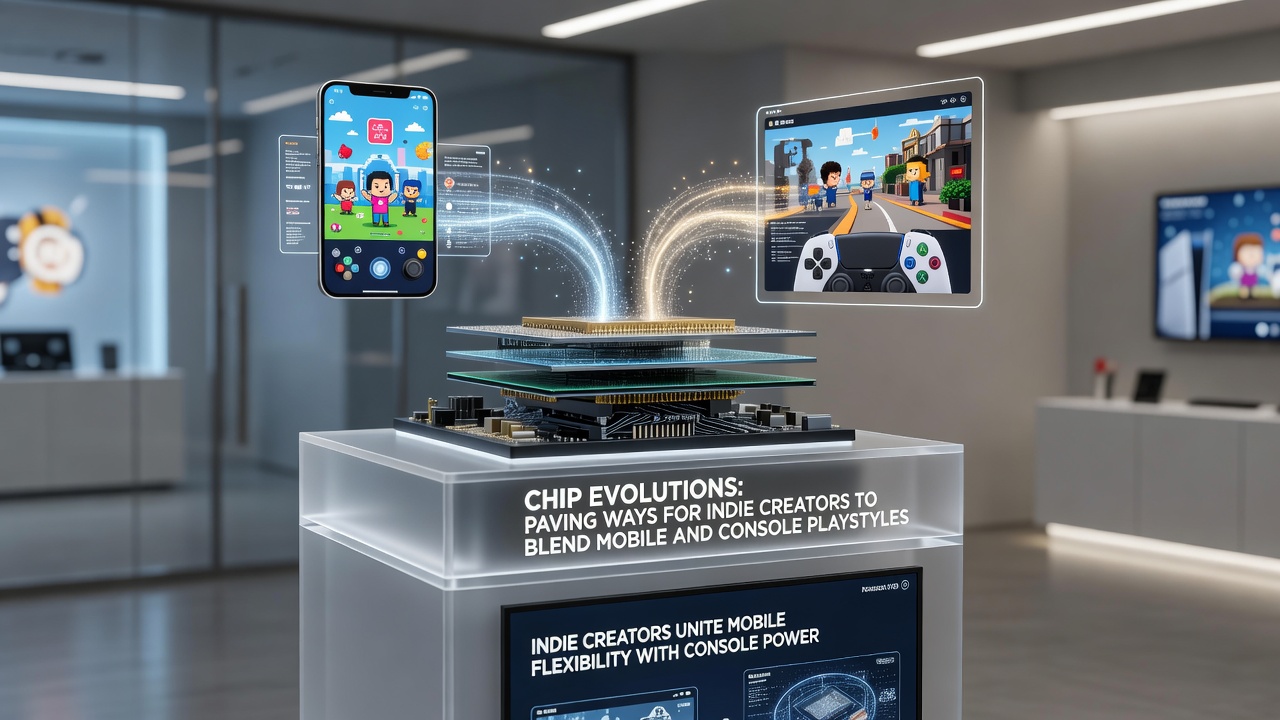
August 2026 saw several announcements from chip suppliers highlighting expanded support for variable refresh rates across device classes, and this capability helps maintain consistent gameplay feel when transitioning between screens of different sizes and resolutions. Academic papers from European research consortia document how such hardware traits reduce the need for platform-specific shaders, allowing artists and programmers to focus resources on core mechanics instead of compatibility fixes.
Performance Parity Expands Creative Options
Graphics processing units embedded in recent mobile chipsets process complex particle systems and lighting models that match console outputs at similar power envelopes, and statistics compiled by the Entertainment Software Association of Canada show indie cross-platform titles grew steadily through 2025. Developers report that these parity levels let them blend fast-paced action sequences suited to controller precision with strategic elements that benefit from direct screen interaction, and the result appears in genres ranging from platformers to simulation experiences.
Memory bandwidth increases further support larger asset libraries without compression compromises that once plagued mobile versions, and this shift means visual consistency across platforms no longer requires downscaling textures or simplifying models. Those monitoring supply chains observe that partnerships between semiconductor firms and game engine providers streamlined integration of these features into accessible toolkits used by independent creators.
Future Trajectories for Hardware-Assisted Blending
Upcoming iterations promise even tighter integration of artificial intelligence cores that assist with procedural content generation usable on both mobile and console targets, and preliminary findings from university-led studies suggest these tools could accelerate prototyping cycles for resource-limited teams. Regulatory bodies in Australia have begun tracking how such technological convergence influences market diversity, noting expanded opportunities for localized content that travels across device types without additional localization overhead.
Industry associations continue to compile data on adoption rates, revealing patterns where hybrid playstyles correlate with broader audience reach for smaller releases. Chip evolutions therefore continue to serve as foundational elements that let independent voices experiment with mechanics drawn from disparate traditions while targeting unified distribution channels.
Conclusion
Hardware progress in processing and graphics domains has aligned capabilities across form factors, and this alignment directly supports indie workflows that prioritize shared assets and control mappings. Continued refinement in these areas will likely sustain the trend toward experiences that feel native whether accessed via portable screens or stationary setups, as documented in ongoing sector analyses from multiple regions.