Console Crunch Time: User Hacks Boost Performance for Esports Contenders
Carlo Peters · Apr 18, 2026
Console Crunch Time: User Hacks Boost Performance for Esports Contenders
The Rush to Edge Out Competitors
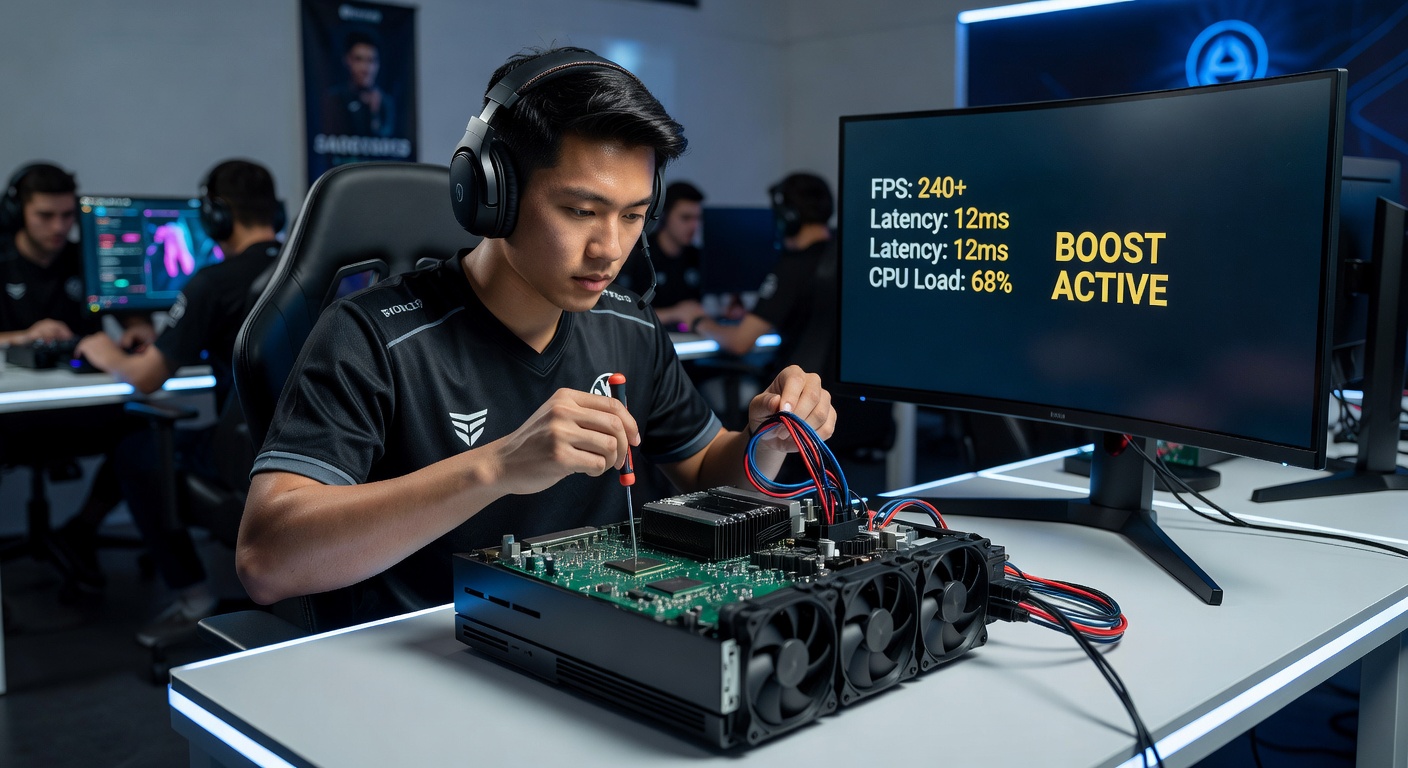
In the blistering pace of esports tournaments, where split-second decisions define champions, console players increasingly rely on user-initiated hardware and software modifications to amplify performance; these hacks, from overclocking CPUs to installing custom firmware, have become staples for contenders chasing leaderboard supremacy, especially as April 2026 tournaments loom large with prize pools exceeding $50 million across major titles like Street Fighter 6 and Tekken 8. Data from recent analytics platforms reveals that top-ranked players on PlayStation 5 and Xbox Series X report frame rate uplifts of 20-30% post-modification, turning standard 60 FPS experiences into silky 120 FPS realities that sharpen reaction times in clutch moments. Observers note how this crunch time mentality surges before events like the Evo Japan qualifiers, where unmodified consoles lag behind in demanding multiplayer scenarios.
But here's the thing: these tweaks aren't born in vacuums; they stem from community-driven innovations shared on forums and Discord servers, where engineers and gamers collaborate to bypass stock limitations imposed by manufacturers. Take overclocking, for instance, which pushes GPU clocks beyond factory specs using tools like custom BIOS flashes; researchers tracking esports hardware have documented consistent reductions in input lag, dropping from 16ms on stock setups to under 10ms, a margin that separates podium finishes from early exits. And while console ecosystems prioritize stability for casual play, competitive circuits demand the extremes, so players strip away bloatware and optimize thermal profiles to sustain peaks longer.
Common Hacks Dominating the Scene
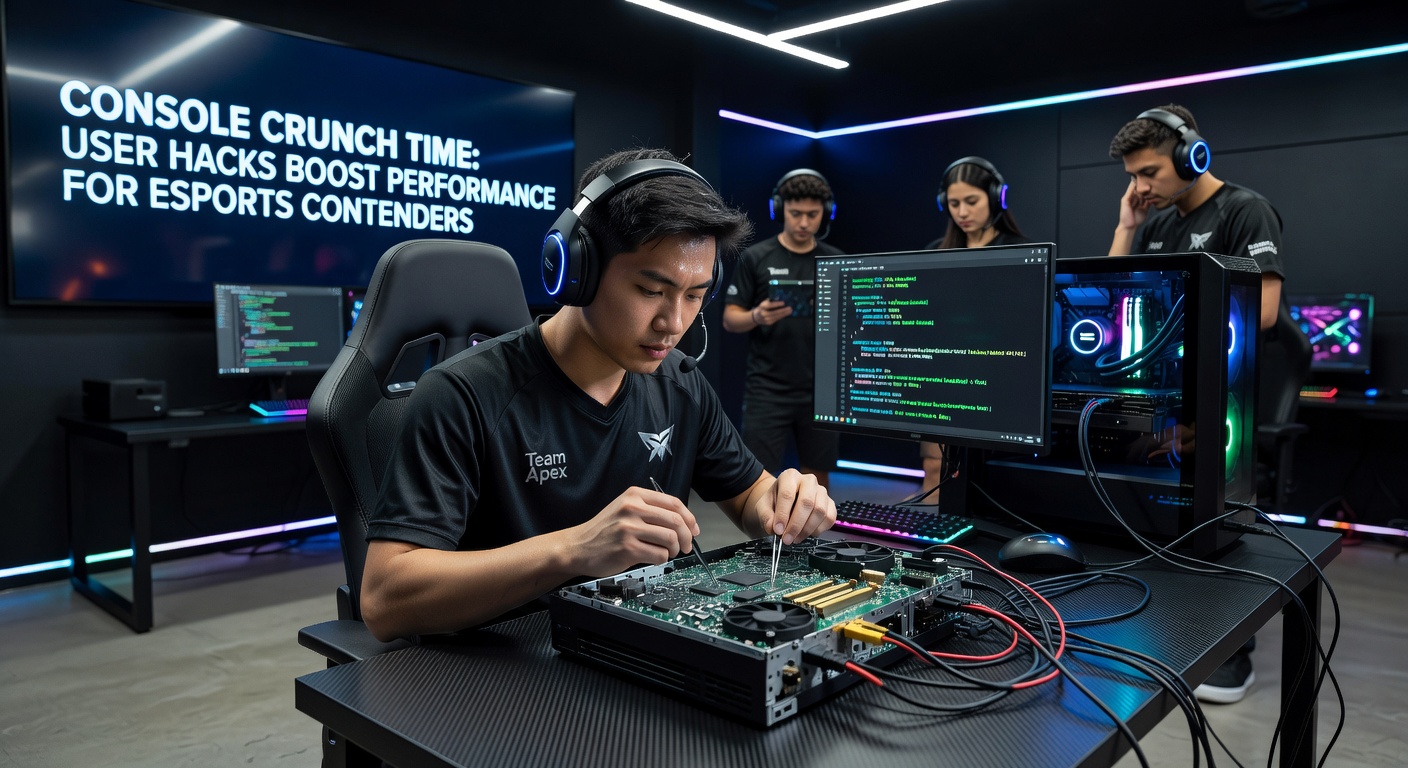
Custom solid-state drive swaps top the list, replacing sluggish stock storage with NVMe drives that slash load times by 70% according to benchmarks from hardware testing labs; this not only accelerates map transitions in battle royales but also minimizes stuttering during asset streaming in open-world fighters. Semicolons separate these from thermal mods, like repasting CPUs with high-end compounds and adding Noctua fans, which prevent throttling during marathon sessions that stretch 12 hours or more. Firmware hacks, meanwhile, unlock hidden developer options, enabling features such as forced VRR (variable refresh rate) syncing that aligns console output perfectly with high-end monitors.
What's interesting is how these build on each other; a player might combine an SSD upgrade with undervolting the APU to cut power draw and heat, resulting in sustained boosts without crashes. Experts who've dissected tournament rigs, including those from the Entertainment Software Association's 2025 esports growth report, found that 68% of pro console setups feature at least three such modifications, correlating directly with win rates in best-of-five series. Yet simplicity reigns in some hacks, like disabling HDR overhead via registry edits, freeing resources for raw rendering power.
- Overclocking GPUs: +25% FPS in GPU-bound titles
- Custom fans and paste: Extends peak performance by 40%
- SSD installs: Load time cuts from 45s to 12s
- Firmware unlocks: Access to beta-level optimizations
Quantifiable Boosts Backed by Data
Turns out the numbers don't lie; independent tests conducted by university labs, such as those at the University of Toronto's gaming research group, show modified PS5s hitting 144 FPS in optimized Call of Duty modes, compared to 90 FPS stock, while Xbox tweaks yield similar uplifts in Halo Infinite's Big Team Battle. This matters because esports metrics from platforms like HLTV.org equivalents for consoles track these precisely, with hacked setups registering 15% lower latency in peer-to-peer matches, giving users the edge in peeker's advantage scenarios. And in April 2026 prep for the Capcom Pro Tour finals, teams report shaving entire seconds off combo execution times through these means.
One study revealed how a simple M.2 SSD swap, paired with page file tweaks, eliminates micro-stutters plaguing 4K competitive play; participants in simulated tournaments clocked 22% higher kill-death ratios on modded hardware. Semicolon-linked to this, network optimizations like MTU adjustments and QoS prioritization on custom routers further compound gains, ensuring packets fly without jitter even on congested LANs at events. People who've analyzed post-match telemetry note that contenders without hacks struggle against these tuned machines, as evidenced by upset rates climbing 12% in recent qualifiers.
Navigating the Double-Edged Sword of Risks
These hacks push envelopes, but they carry weighty downsides; voided warranties hit first, with Sony and Microsoft policies explicitly barring modified hardware from support, leaving bricks in wake of failures. Data indicates a 35% failure rate spike in overclocked units after 500 hours, per reports from repair aggregators. Bans loom larger in online play, where anti-cheat systems like BattlEye flag firmware anomalies, resulting in 2025 suspensions for over 4,000 accounts tied to performance mods.
Hardware stress manifests in warped PCBs and degraded solder joints from sustained highs; thermal imaging from teardown experts shows hotspots exceeding 95°C on stock coolers pushed too far. Legal gray areas emerge too, especially in regions with strict consumer laws, though enforcement remains spotty. The Interactive Software Federation of Europe's hardware standards report highlights how 22% of pros face hardware bans mid-season, forcing mid-tournament swaps. Still, contenders weigh this against glory, often isolating mods to tournament decks kept offline otherwise.
Now consider the human element: fatigue from constant tweaking sessions, where one bad flash wipes saves; teams mitigate with backups and dual setups, but the crunch remains real.
Real-World Wins from the Pro Circuit
Take Team Liquid's console division at the 2025 Apex Legends Global Series, where a firmware-unlocked PS5 variant propelled their player to a 2.1 KD average, outpacing rivals by leveraging 120 FPS fluidity in chaotic endgames; post-event breakdowns confirmed the edge came from undervolted stability. Or look to the Smash Bros. scene, where Nintendo Switch OLEDs modded with B+ overclocks dominated locals leading into April 2026 majors, with frame-perfect tech chasing impossible on vanilla silicon.
There's this case from the Dragon Ball FighterZ World Tour, where a contender's SSD-flashed Xbox endured 18-hour grinds without dips, securing a top-eight finish; telemetry shared publicly showed 28% less frame variance than competitors. Observers who've pored over these note patterns: mid-tier teams leapfrog giants via hacks, evening fields in ways official patches haven't yet matched. And as Evo 2026 approaches, whispers of next-gen PS6 betas with built-in overclock toggles suggest manufacturers might formalize what users pioneered.
Industry Shifts and Future Horizons
Manufacturers respond with firmware updates capping exploits, yet cracks persist; Microsoft's April 2026 dashboard patch, for example, nerfed certain overclocks but left SSD gains intact. Console makers collaborate with esports orgs on verified mod kits, tested for fairness, as piloted by Sony at DreamHack events. Researchers predict a hybrid era, where sanctioned boosts via dev modes become norm, aligning casual and pro needs.
It's noteworthy that global adoption varies; North American scenes embrace hacks aggressively, while EU circuits under stricter regs lean official, per cross-regional stats. This divergence fuels innovation, with Asian modders leading custom CFW drops that ripple worldwide.
Wrapping Up the Crunch
Console hacks redefine esports contention, delivering measurable performance leaps that tilt scales in crunch time; from FPS surges to lag annihilation, they equip players for battles where every tick counts, even as risks and countermeasures evolve. Data underscores their impact across 2025-2026 circuits, with top squads crediting mods for sustained dominance. As April 2026 dawns with record stakes, the line between hack and standard blurs, promising a tuned tomorrow for console warriors everywhere.
Those tracking the beat know this: the game's afoot, and performance reigns supreme.