Memory Configurations Fuel Indie Game Innovation in Cross-Platform Development
Carlo Peters · May 23, 2026
Memory Configurations Fuel Indie Game Innovation in Cross-Platform Development
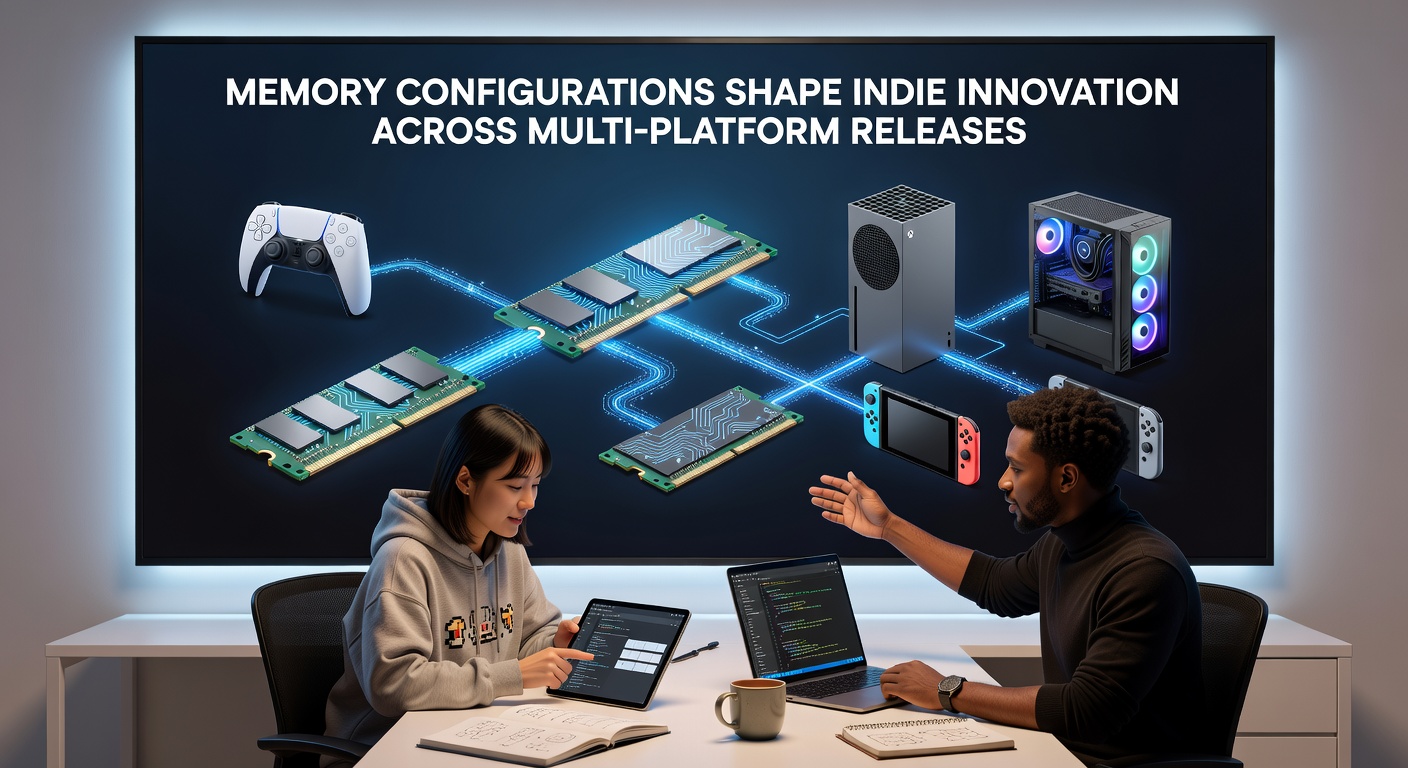
Memory configurations play a central role in how independent studios approach game development for releases spanning personal computers, consoles, and mobile devices, with developers allocating resources based on available RAM capacities and access patterns that differ across hardware generations. Data from industry reports shows that smaller teams often prioritize efficient memory pooling techniques to maintain consistent performance when scaling titles from high-end desktop systems down to handheld consoles and smartphones, which allows for creative feature additions like dynamic level generation without exceeding platform limits.
Platform-Specific Memory Demands Shape Design Choices
Developers working on multi-platform projects encounter varying memory constraints that influence everything from asset compression methods to scripting language selections, and research indicates that titles targeting both PC and mobile markets frequently adopt unified engines with modular memory managers to handle these differences seamlessly. According to studies conducted by the Interactive Software Federation of Europe, indie projects released in recent years demonstrate higher innovation rates when teams map out memory budgets early in the pipeline, enabling additions such as procedural audio systems or expanded NPC behaviors that fit within tighter constraints on lower-spec devices. This approach has become particularly evident as new hardware iterations continue to roll out, with May 2026 marking the launch window for several mid-generation console updates that adjust baseline RAM allocations and prompt further adjustments in development workflows.
Indie Teams Leverage Memory Optimization for Creative Expansion
Smaller studios have turned memory profiling tools into key assets for pushing boundaries in cross-platform releases, using techniques like texture streaming and object pooling to free up space for experimental mechanics that larger publishers might overlook. Observers note that games built with these methods often introduce novel elements such as real-time environmental interactions or adaptive difficulty systems, since efficient memory use reduces the overhead that typically limits scope in resource-constrained environments. Figures from academic analyses at institutions like the University of Waterloo reveal that indie titles employing advanced memory configuration strategies achieve broader platform compatibility while preserving visual fidelity, which in turn supports wider distribution and player reach across diverse hardware ecosystems.
Case Examples from Recent Releases
One project released in early 2025 illustrated these principles when its developers restructured memory allocation for a puzzle-adventure game to accommodate both high-resolution PC builds and streamlined mobile versions, resulting in added layers of narrative branching that utilized cached data structures without performance drops. Another example involves a studio that integrated cloud-based memory offloading for multiplayer components, allowing seamless transitions between local console play and remote mobile sessions while staying within per-platform limits. These cases align with broader patterns documented in technical papers from gaming research groups, where memory-aware design correlates with increased feature experimentation across simultaneous platform launches.
Emerging Trends in 2026 Hardware Environments
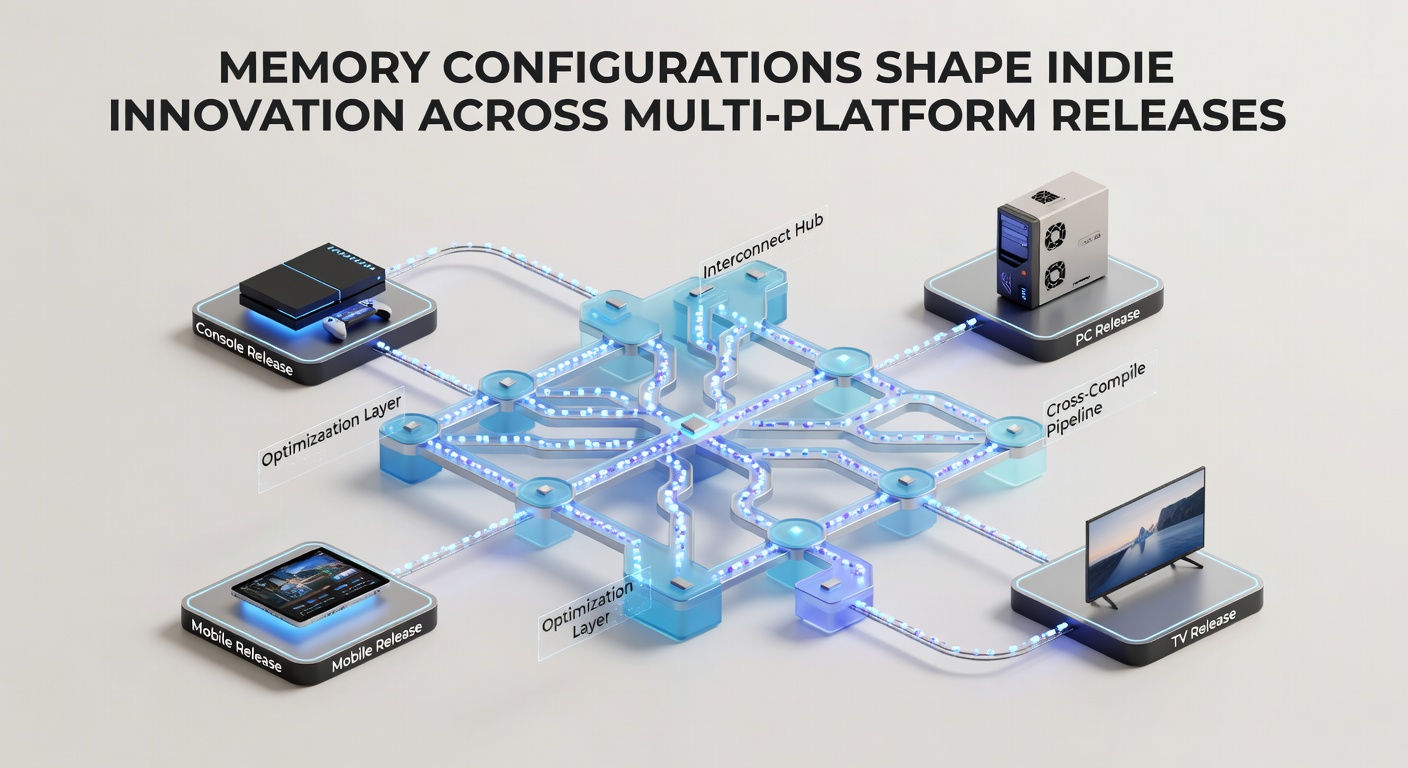
As console and mobile hardware evolves, memory configurations continue to guide indie innovation through updated standards for unified memory architectures that blend CPU and GPU resources more tightly than previous generations. Data shows that developers monitoring these shifts prepare scalable asset pipelines early, which supports rapid porting without sacrificing elements like high-fidelity particle effects or expansive world simulations. Reports from the Entertainment Software Association highlight how such preparations have contributed to a rise in cross-platform indie launches that maintain feature parity, even as device specifications diverge in areas like cache sizes and bandwidth speeds.
Conclusion
Memory configurations remain a foundational element driving indie game innovation across multi-platform releases, with developers applying targeted optimizations to expand creative possibilities within hardware boundaries. Ongoing advancements in profiling tools and engine support continue to refine these processes, enabling teams to deliver consistent experiences that adapt to evolving platform capabilities through 2026 and beyond.