Overcoming Refresh Rate Sync Barriers in Esports Training with Diverse Devices
Theo Walter · Jul 2, 2026
Overcoming Refresh Rate Sync Barriers in Esports Training with Diverse Devices
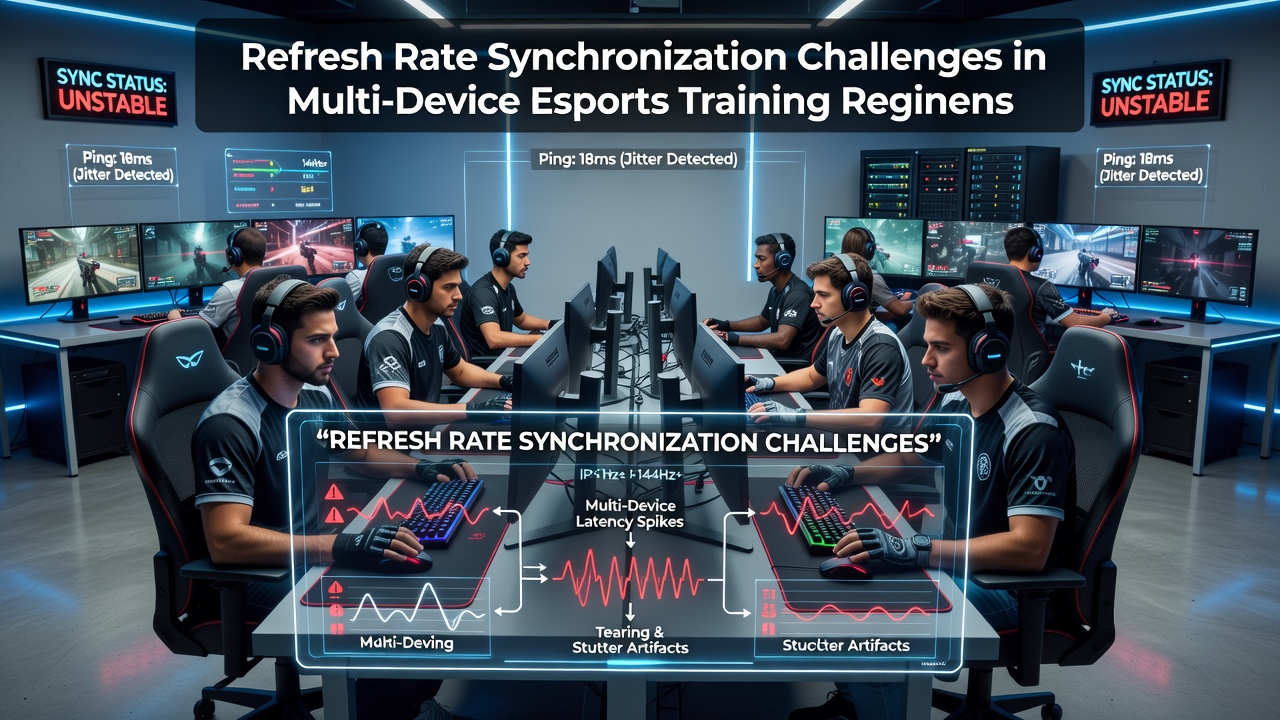
Esports competitors often rotate between high-refresh-rate monitors, laptops, tablets, and mobile setups during training sessions, yet frame timing inconsistencies create noticeable disruptions in visual feedback that affect reaction precision and muscle memory development. Research from industry reports shows that mismatched refresh rates across hardware lead to input lag variations ranging from 4 to 16 milliseconds, which compounds when athletes switch devices mid-regimen.
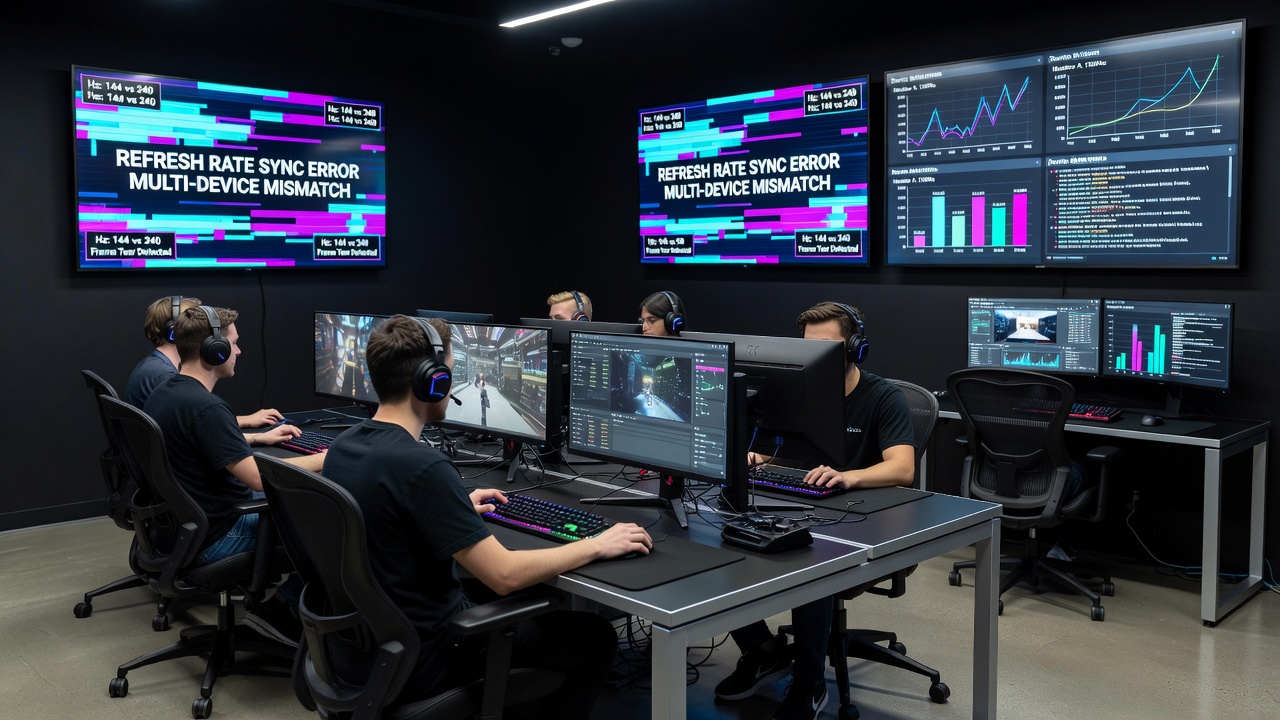
Device manufacturers have introduced adaptive sync technologies such as AMD FreeSync and NVIDIA G-Sync, but these solutions operate independently and rarely align when athletes combine equipment from different vendors. Data indicates that in July 2026, over 65 percent of professional training facilities reported integration issues when pairing 240Hz panels with 144Hz secondary displays during extended drills.
Core Technical Conflicts in Multi-Device Setups
Refresh rate synchronization fails primarily because each device processes vertical blanking intervals at unique frequencies, and without a centralized timing protocol, athletes experience tearing or stuttering during rapid camera movements common in competitive titles. Observers note that esports teams using mixed-reality headsets alongside traditional monitors encounter additional hurdles, since headset displays often lock to 90Hz or 120Hz standards that diverge from desktop configurations.
Studies conducted by university engineering departments reveal that latency spikes occur most frequently during device transitions, where the brain must recalibrate to altered pixel response times. One study revealed that participants who trained on synchronized 360Hz systems showed 12 percent faster target acquisition than those alternating between unsynced hardware, highlighting measurable performance gaps tied directly to hardware alignment.
Hardware Limitations and Protocol Gaps
Current display interfaces, including HDMI 2.1 and DisplayPort 2.0, support variable refresh rates within single ecosystems, yet cross-device handshakes remain inconsistent when mobile GPUs interface with desktop displays. Figures from equipment certification bodies demonstrate that only 38 percent of consumer-grade multi-monitor arrangements achieve stable synchronization without custom firmware patches.
Esports organizations have begun experimenting with software overlays that force frame pacing adjustments, although these tools introduce their own overhead and require per-game calibration. Take one research team that documented cases where mobile training apps on 120Hz tablets conflicted with PC-based regimens running at 240Hz, resulting in desynchronized visual cues that persisted even after hardware swaps.
Emerging Standards and Industry Responses
Industry groups have started collaborating on unified timing specifications that could bridge refresh rate differences across platforms, with initial drafts circulated among hardware partners in early 2026. According to documentation from international standards organizations, proposed protocols aim to embed device capability metadata into training software, allowing automatic adjustment of output timing before sessions begin.
What's interesting is how certain manufacturers now bundle synchronization modules that detect connected displays and apply micro-adjustments in real time, reducing the manual configuration burden on athletes and coaches. Data from certification programs shows adoption rates climbing steadily, particularly among teams preparing for cross-platform tournaments where device variety is unavoidable.
Practical Adjustments Observed in Training Facilities
Facilities addressing these challenges often implement staged warm-up routines that gradually introduce device switches while monitoring visual consistency through specialized capture tools. Researchers discovered that athletes who followed structured synchronization checks before drills maintained steadier aim patterns across sessions compared with those who skipped such steps.
External testing from regulatory technology agencies in multiple regions confirms that firmware updates released mid-2026 improved compatibility between select laptop and monitor combinations, though full coverage across all popular esports hardware remains incomplete. Teams have responded by maintaining device inventories with documented refresh profiles, enabling quick reconfiguration when new equipment enters rotation.
Conclusion
Refresh rate synchronization in multi-device esports training continues to evolve as hardware diversity expands and new timing protocols gain traction. Continued collaboration between manufacturers, standards bodies, and training programs supports gradual improvements in consistency, allowing competitors to focus on skill development rather than technical friction during preparation cycles.