Scaling Performance Techniques from Portable Devices to Console Systems in Independent Gaming
Theo Walter · Aug 8, 2026
Scaling Performance Techniques from Portable Devices to Console Systems in Independent Gaming
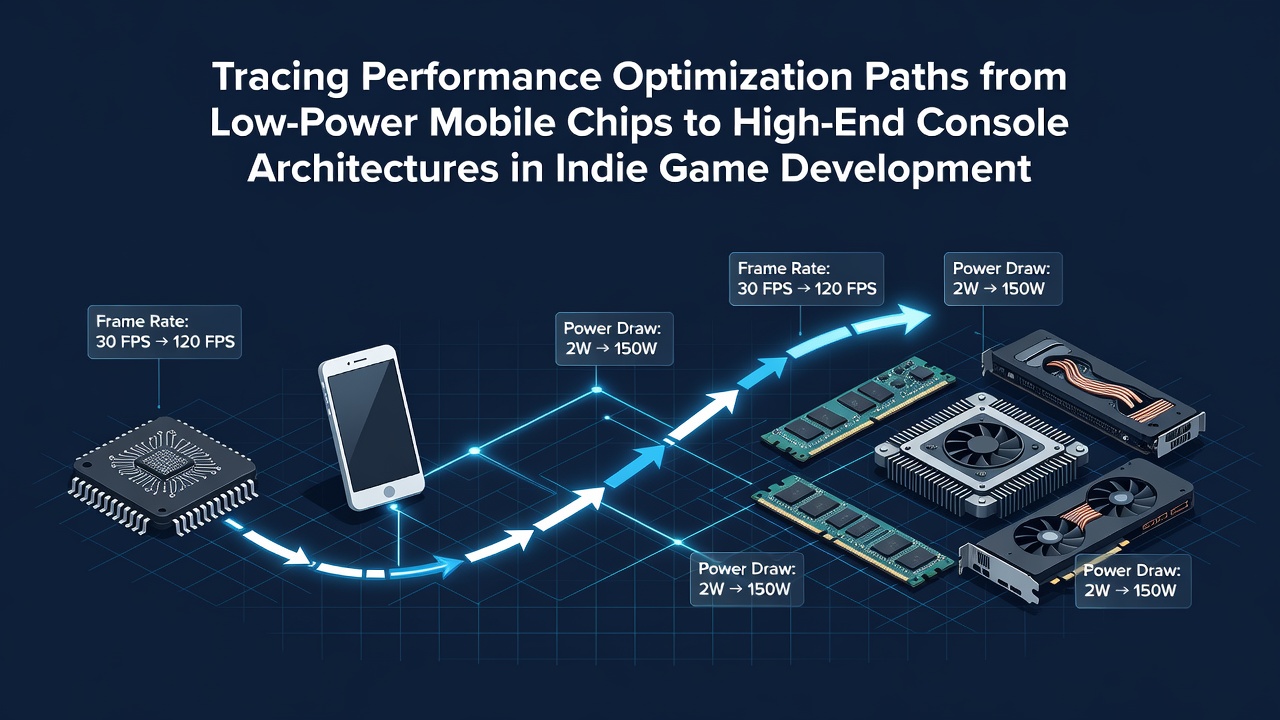
Indie studios frequently begin development on low-power mobile chipsets where thermal limits and battery constraints dictate every design choice, then adapt those same codebases for high-end console architectures that prioritize raw throughput and parallel processing. Research from industry reports indicates mobile processors such as those found in recent arm-based systems operate under strict power envelopes, forcing teams to implement dynamic resolution scaling and simplified shader models early in production cycles. Data from hardware surveys shows these initial optimizations create modular rendering pipelines that transfer efficiently when projects move to consoles equipped with multi-core GPUs and larger memory pools.
Core Optimization Methods Across Hardware Tiers
Engineers start by profiling draw calls and texture bandwidth on mobile devices, then refine occlusion culling routines that reduce overdraw before porting begins. According to analyses from the International Game Developers Association, small teams achieve measurable gains by batching geometry and using level-of-detail systems that scale polygon counts based on available compute resources. Those who've studied cross-platform workflows note that mobile-first asset pipelines often incorporate compressed audio formats and reduced animation bone counts, elements that console hardware can later expand without requiring complete rewrites. Studies conducted at technical universities in Canada reveal that memory access patterns optimized for cache-coherent mobile SoCs translate directly to console environments when developers maintain consistent data layouts throughout the project.
Case Examples from Recent Projects
One studio that released a title in August 2026 demonstrated how particle simulation code written for mobile GPUs could expand to support higher particle counts on consoles simply by adjusting thread group sizes in compute shaders. Figures from performance logs indicate the team maintained a single codebase with compile-time flags that toggled between mobile and console rendering paths, avoiding the maintenance overhead of separate branches. Observers note similar patterns in other independent releases where developers leverage unified engines such as Unity or Unreal to handle platform-specific extensions through plugin systems rather than full rewrites.
What's interesting is how texture streaming systems initially tuned for limited mobile RAM evolve into console versions that preload larger mip chains during level transitions. Evidence from technical postmortems shows these adaptations cut loading times on high-end hardware while preserving the low-memory footprint required for mobile distribution. Researchers at European technical institutes have documented that such streaming logic benefits from asynchronous loading threads, a technique refined on consoles yet backported to mobile to improve perceived performance during network-dependent updates.
Transition Challenges and Solutions
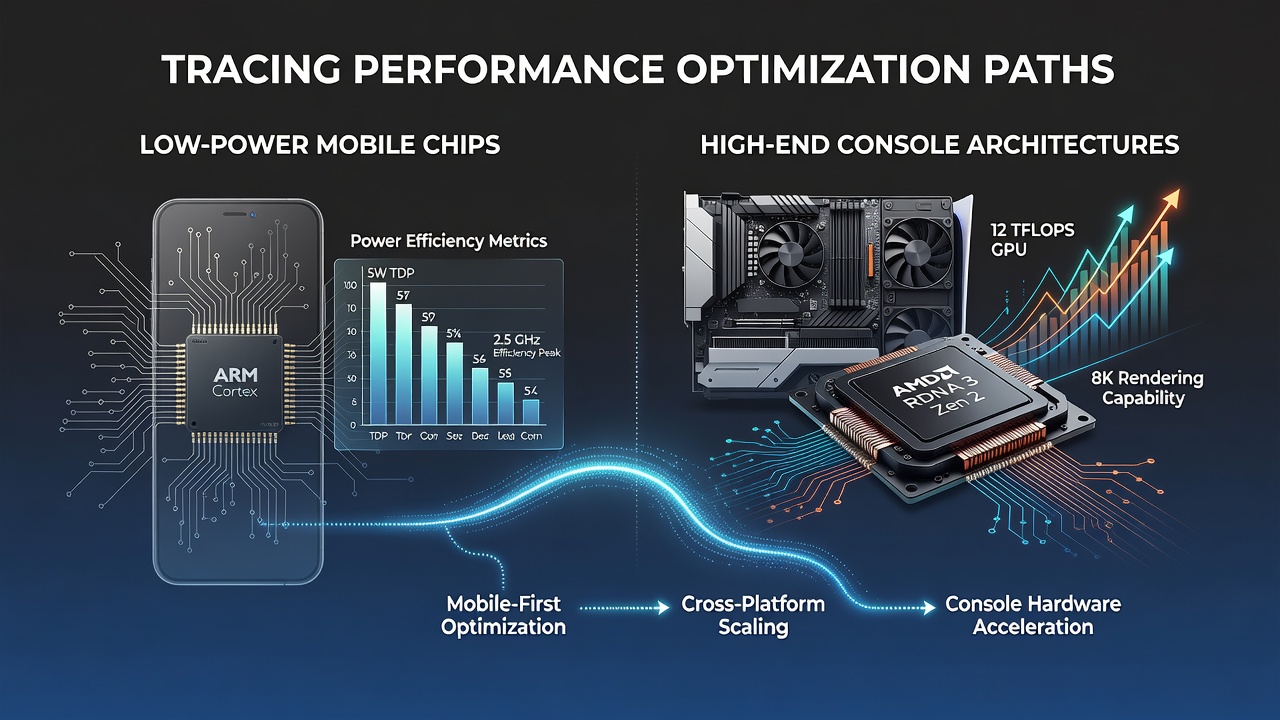
Porting teams encounter differences in instruction sets and memory architectures that require targeted adjustments rather than wholesale changes. Data compiled by regional gaming trade groups in Australia highlights how developers test physics calculations on mobile first to establish stable timestep values, then increase simulation fidelity on consoles where floating-point throughput allows more complex interactions. Those who've examined these workflows find that input handling layers remain largely consistent across platforms, freeing resources for graphics and audio enhancements during the console phase. Academic papers from Australian research centers further indicate that network synchronization code developed under mobile latency conditions performs reliably on consoles once packet sizes and update frequencies receive platform-specific tuning.
But here's the thing: console architectures introduce new variables such as fixed hardware configurations versus the fragmentation seen in mobile ecosystems, which actually simplifies final validation steps for many teams. Reports from industry conferences show developers who establish performance budgets on mobile hardware rarely exceed those limits when targeting consoles because the initial constraints enforce disciplined resource management from the outset.
Future Directions in Cross-Architecture Development
Emerging toolchains continue to reduce friction between mobile and console targets through improved abstraction layers and automated profiling suites. Figures released by North American research consortia in mid-2026 project continued growth in shared middleware that handles shader compilation and asset conversion across both device classes. Experts tracking these trends observe that indie studios increasingly rely on cloud-based build farms to test optimizations simultaneously on representative mobile and console hardware, shortening iteration cycles while maintaining factual performance baselines.
Conclusion
Performance paths traced from low-power mobile chips to high-end console systems demonstrate consistent patterns of modular design and incremental scaling that support efficient indie production. Data across multiple regions confirms that techniques refined under mobile constraints provide reliable foundations for console enhancements when teams maintain disciplined profiling and unified code structures throughout development.