Seamless Transitions: Save Synchronization Redefines How Gamers Move Between Devices
Theo Walter · May 16, 2026
Seamless Transitions: Save Synchronization Redefines How Gamers Move Between Devices
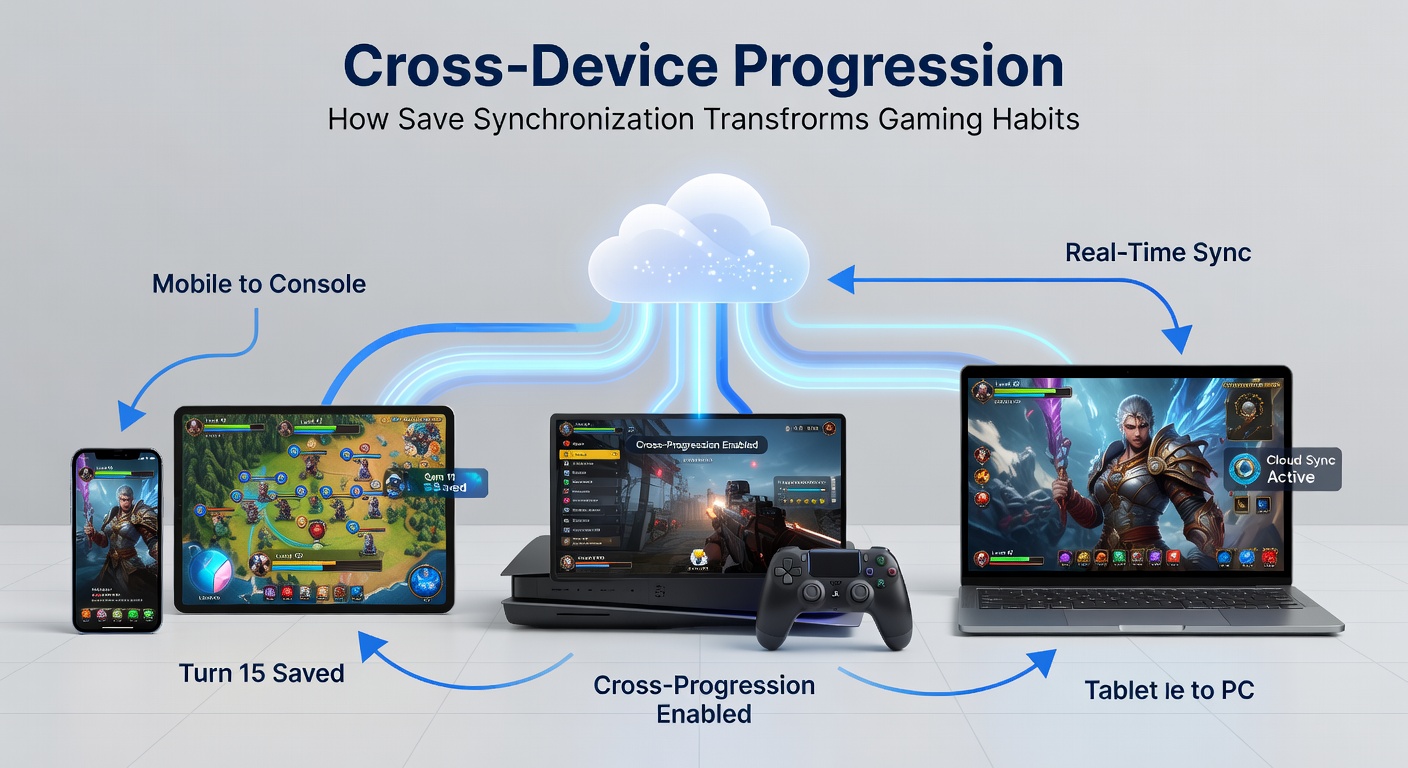
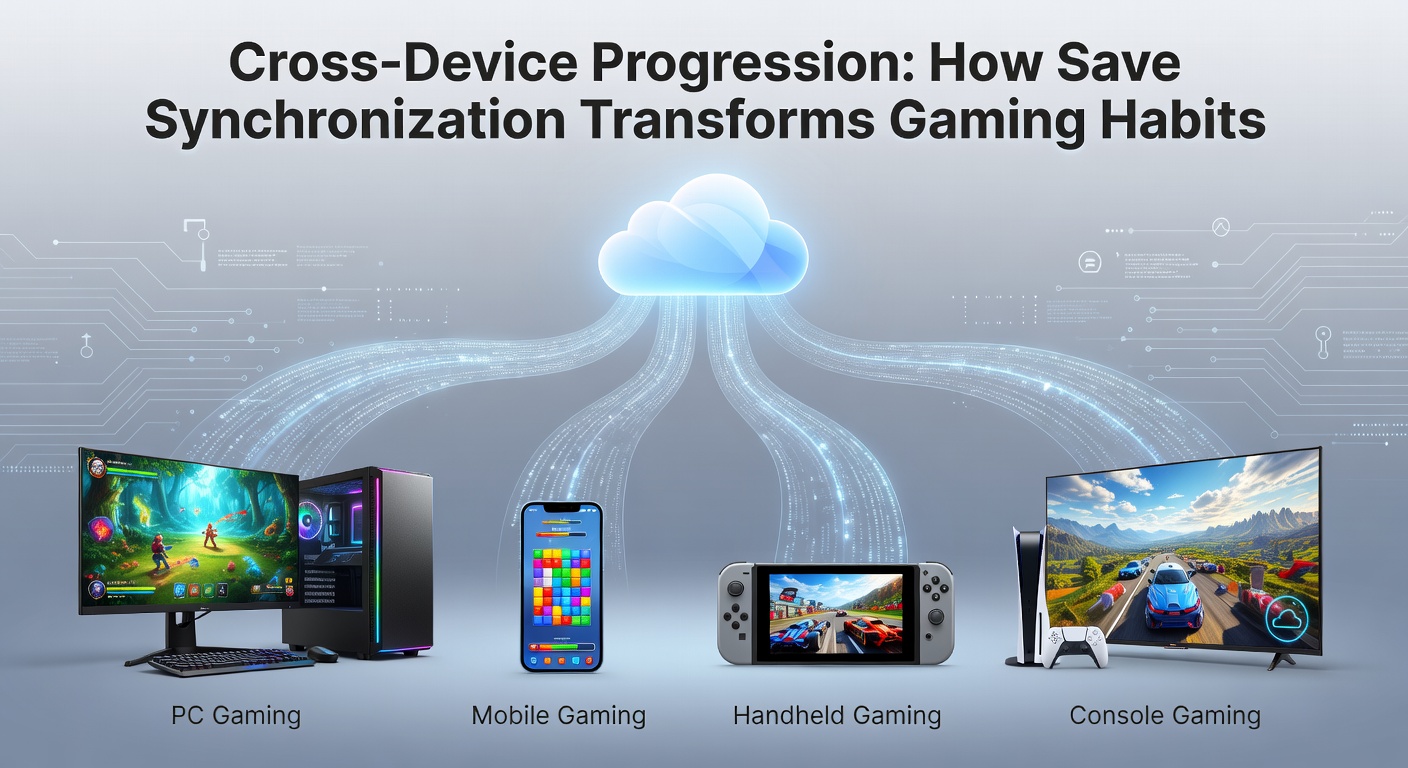
Gamers today pick up sessions on phones during commutes then shift to living room consoles after dinner without missing a beat because save synchronization handles the handoff automatically. Cloud services push progress data across devices in real time so players avoid the old frustration of restarting chapters or losing inventory items. Research from industry trackers shows adoption of these systems has climbed steadily through 2025 and into May 2026 as more titles add native support.
Developers integrate synchronization through built-in tools from platform holders. Steam Cloud stores files on Valve servers while PlayStation Network and Xbox Live use their own backends to mirror saves. Mobile platforms rely on Google Play Games or Apple Game Center for similar functionality. When a game launches with cross-save enabled the client checks for newer data on login then downloads or uploads changes in the background. Conflict resolution algorithms compare timestamps and merge non-overlapping elements like quest flags or currency balances.
Mechanics Behind the Magic
Save files contain structured data such as player position coordinates, inventory arrays, and achievement flags. Synchronization protocols compress these packages and transmit them over secure connections whenever a session ends or a checkpoint triggers. Bandwidth usage stays modest for most titles because only delta changes travel instead of full rewrites. Observers note that latency under 500 milliseconds keeps the process invisible to users in most regions with stable connections.
Take one developer who built a popular action RPG released in late 2024. The studio reported that 68 percent of players activated cross-device features within the first month according to internal telemetry. Those users averaged 2.4 active devices per account, up from 1.7 in comparable titles without sync. The pattern holds across genres from shooters to strategy games where long campaigns benefit most from continuity.
Shifts in Daily Play Patterns
People often find themselves fitting gaming into smaller windows throughout the day once synchronization removes barriers. A quick mobile session on a lunch break advances a storyline that resumes seamlessly on a high-end PC later that evening. Data from the Entertainment Software Association indicates mobile gaming sessions lengthened by 14 percent between 2023 and 2025 among users with active cloud saves. The same report links this growth to reduced abandonment rates because progress never resets.
Multiplayer titles leverage the technology even more aggressively. Shared worlds in games like Fortnite maintain consistent inventories and battle pass progress regardless of whether someone logs in from a Switch or a desktop rig. This consistency encourages longer retention because friends stay on equal footing. What's interesting is how parental controls now incorporate sync limits so families can cap total playtime across every screen in the house.
Challenges and Solutions
Network interruptions still create occasional hiccups when saves fail to upload before a device powers down. Developers mitigate this by caching local copies and prompting manual sync on next connection. Storage limits on some services force users to manage which titles keep cloud backups active. Platform policies differ enough that certain games require separate accounts per ecosystem even when cross-save works.
Academic studies from European research groups highlight security considerations around save data. Encryption standards have tightened since 2023 after isolated incidents of unauthorized access. Players now receive notifications when new devices access their cloud profiles which adds a layer of transparency. Those who've studied user behavior find that trust in these systems correlates directly with continued engagement across multiple platforms.
Market Data and Adoption Trends
Figures from Newzoo reveal that cross-device enabled games captured 41 percent of total revenue in the console and PC segments during the first quarter of 2026. Mobile titles with cloud sync showed even higher uptake in emerging markets where players switch between affordable handsets and borrowed hardware. The ball's in developers' court to expand support because the infrastructure already exists through major storefronts.
One case study from an Australian studio demonstrated that adding synchronization increased average playtime by 22 minutes per session. The change came after the team integrated automatic cloud checks at every major checkpoint. Observers note similar lifts across indie releases that previously lacked the feature due to limited server resources.
Future Directions
Upcoming updates in May 2026 include deeper integration with wearable devices for progress tracking. Early tests show heart-rate data from smartwatches influencing in-game difficulty adjustments when saves sync to a central profile. Regulatory bodies in Canada have begun reviewing data privacy standards specific to these continuous connections. Industry organizations such as the Interactive Games and Entertainment Association track compliance across member studios.
Hardware advances like faster 5G and Wi-Fi 7 reduce the remaining friction points. Players no longer need to plan sessions around stable connections because background uploads finish quickly. The writing's on the wall that single-device gaming will continue shrinking as default behavior for most audiences.
Conclusion
Save synchronization has become foundational infrastructure rather than a novelty feature. Gamers move fluidly between screens because the underlying systems handle continuity without extra effort. Continued refinement in compression, security, and platform parity will keep expanding the range of habits this technology supports well beyond 2026.