Subscription Service Impacts on Independent Developer Reach in Portable and Stationary Gaming Markets
Carlo Peters · Aug 18, 2026
Subscription Service Impacts on Independent Developer Reach in Portable and Stationary Gaming Markets
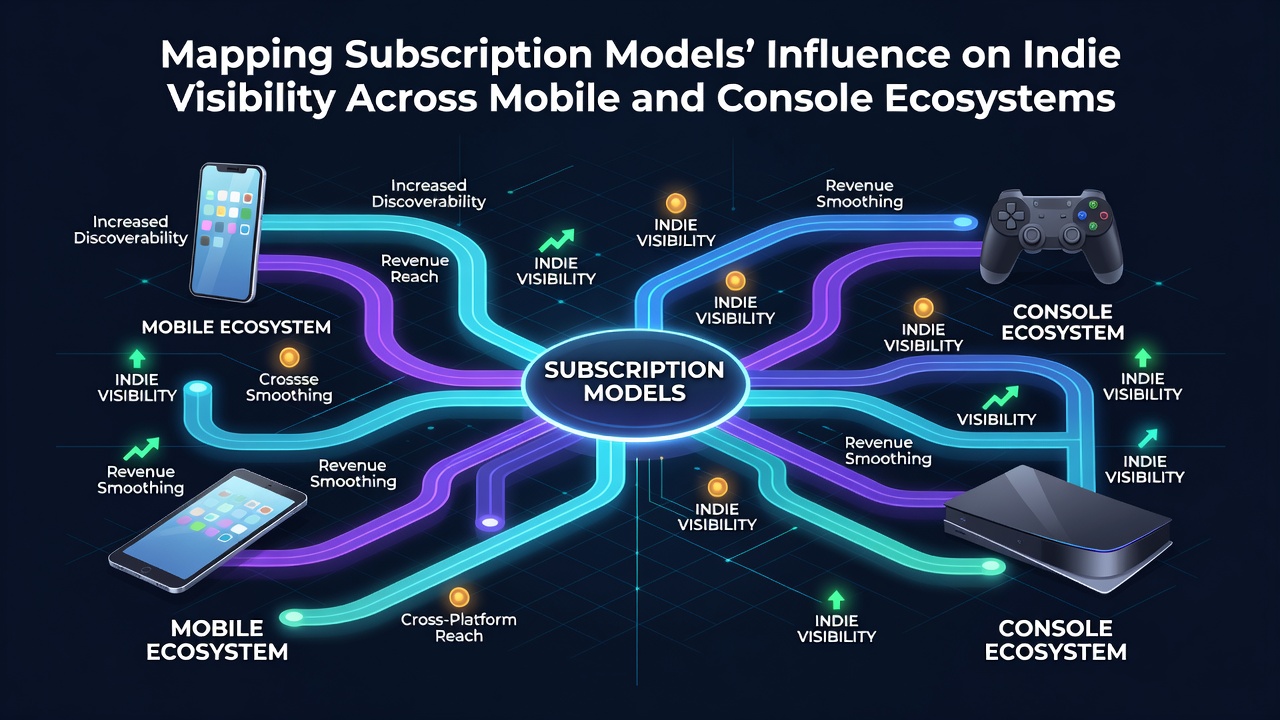
Subscription models have altered how independent games gain traction across mobile and console platforms, with services such as Apple Arcade, Google Play Pass, Xbox Game Pass, and PlayStation Plus serving as primary discovery channels for many titles. Data from industry tracking shows that these platforms bundle hundreds of games under flat monthly fees, which shifts visibility away from individual app store rankings toward curated selections and algorithmic recommendations. Researchers at various institutions note that this structure benefits smaller studios by providing guaranteed placement, while also creating new hurdles in standing out amid growing catalogs.
Platform-Specific Patterns in Mobile Ecosystems
Mobile subscription services operate differently from traditional pay-per-download models because they emphasize ongoing access rather than one-time purchases, and this change influences how developers approach marketing and updates. According to figures released by the Entertainment Software Association, mobile gaming accounts for a substantial share of overall industry revenue, with subscription tiers contributing to steady growth in user retention rates through 2026. In August 2026, analysts observed that titles added to Apple Arcade saw average download spikes of 40 percent within the first month of inclusion, though sustained engagement depended on regular content patches and cross-promotion within the service itself. Developers often find that integration with these platforms requires compliance with specific technical standards, which can extend development timelines but opens pathways to broader audiences that single-purchase models rarely reach on their own.
Google Play Pass follows a similar structure yet targets different regional markets, where data indicates higher adoption in emerging economies compared with premium console equivalents. Studies from academic groups highlight that indie titles on mobile subscriptions experience reduced reliance on paid user acquisition, since the service itself handles initial exposure through featured sections and push notifications. Observers note that this dynamic reduces marketing costs for small teams, although it also means visibility hinges on the platform's internal algorithms rather than external search optimization alone.
Console Subscription Dynamics and Cross-Platform Effects
Console-based subscriptions expand reach further by blending indie and established releases within unified libraries, which creates both opportunities and competitive pressures for smaller developers. Xbox Game Pass and PlayStation Plus have incorporated hundreds of independent games into their lineups, and reports show that featured placements correlate with measurable increases in concurrent players and subsequent sales on other storefronts. Those who track these metrics point out that console services often include day-one releases for select indies, a strategy that accelerates awareness but demands precise timing around update cycles and hardware compatibility. In parallel, cross-device progression systems allow players to carry progress from mobile to console versions, which extends engagement windows and indirectly boosts visibility through shared user bases.
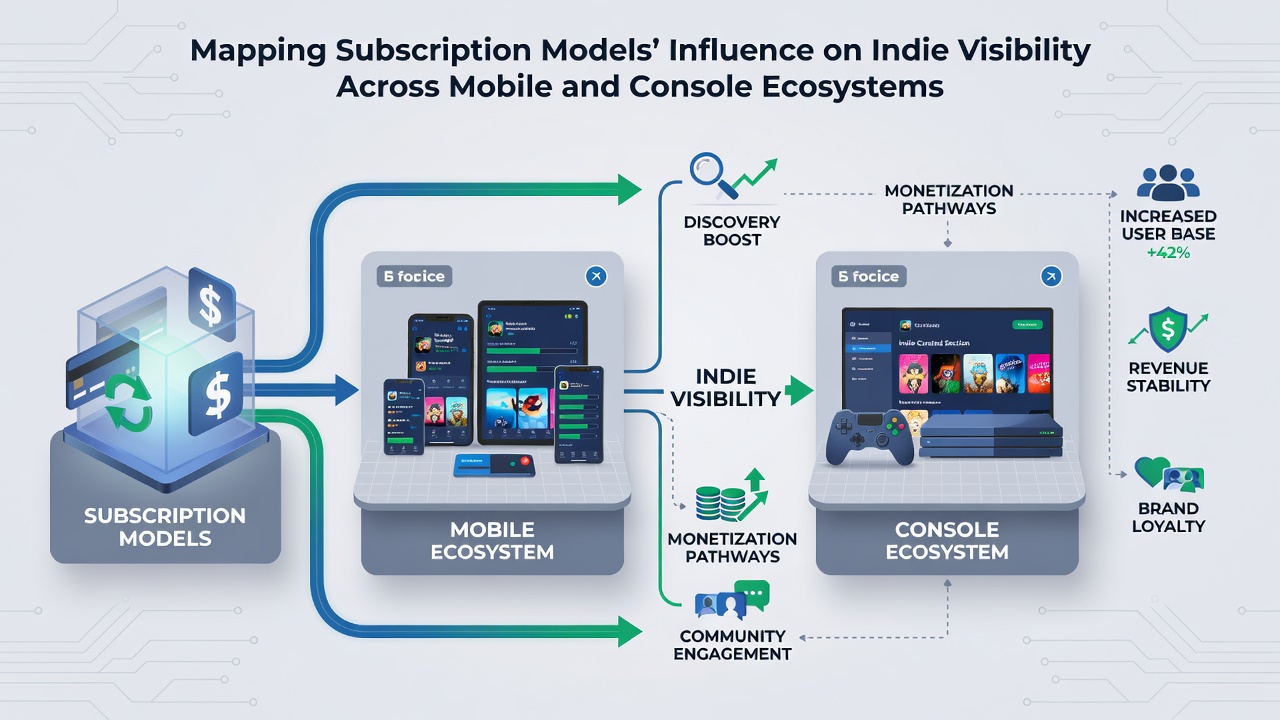
Evidence suggests that regional variations play a role as well, with European markets showing stronger uptake of bundled console subscriptions according to data compiled by the Interactive Software Federation of Europe. Developers in these areas report that subscription inclusion sometimes leads to follow-on revenue from merchandise or expansions, even when base game earnings remain tied to the service fee structure. Console ecosystems also introduce hardware considerations, since performance optimization for multiple devices can strain limited resources at indie studios, yet the payoff appears in expanded player counts tracked through unified accounts.
Visibility Metrics and Emerging Trends
Quantitative assessments reveal that subscription models compress traditional visibility windows, pushing developers to prioritize launch-day readiness and ongoing content support over extended marketing campaigns. Research indicates that games appearing in multiple subscription tiers across mobile and console simultaneously achieve broader geographic penetration, with user data showing elevated playtime in both casual and dedicated segments. The reality is that discoverability now depends heavily on platform partnerships, where inclusion decisions rest with service curators rather than organic search rankings alone. Those monitoring August 2026 trends note an uptick in collaborative features, such as shared leaderboards and cross-save functionality, which further tie indie visibility to the health of the subscription ecosystem as a whole.
Conclusion
Subscription models continue to reshape exposure patterns for independent games by consolidating discovery within structured libraries that span mobile and console environments. Available data demonstrates consistent correlations between platform inclusion and audience growth, while highlighting the need for technical alignment and content maintenance. As these services evolve, their influence on indie reach remains tied to algorithmic choices, regional adoption rates, and integration capabilities that developers must navigate to maximize presence across ecosystems.