Techniques for Cross-Platform Progress Preservation in Mobile and PC Gaming
Theo Walter · May 28, 2026
Techniques for Cross-Platform Progress Preservation in Mobile and PC Gaming
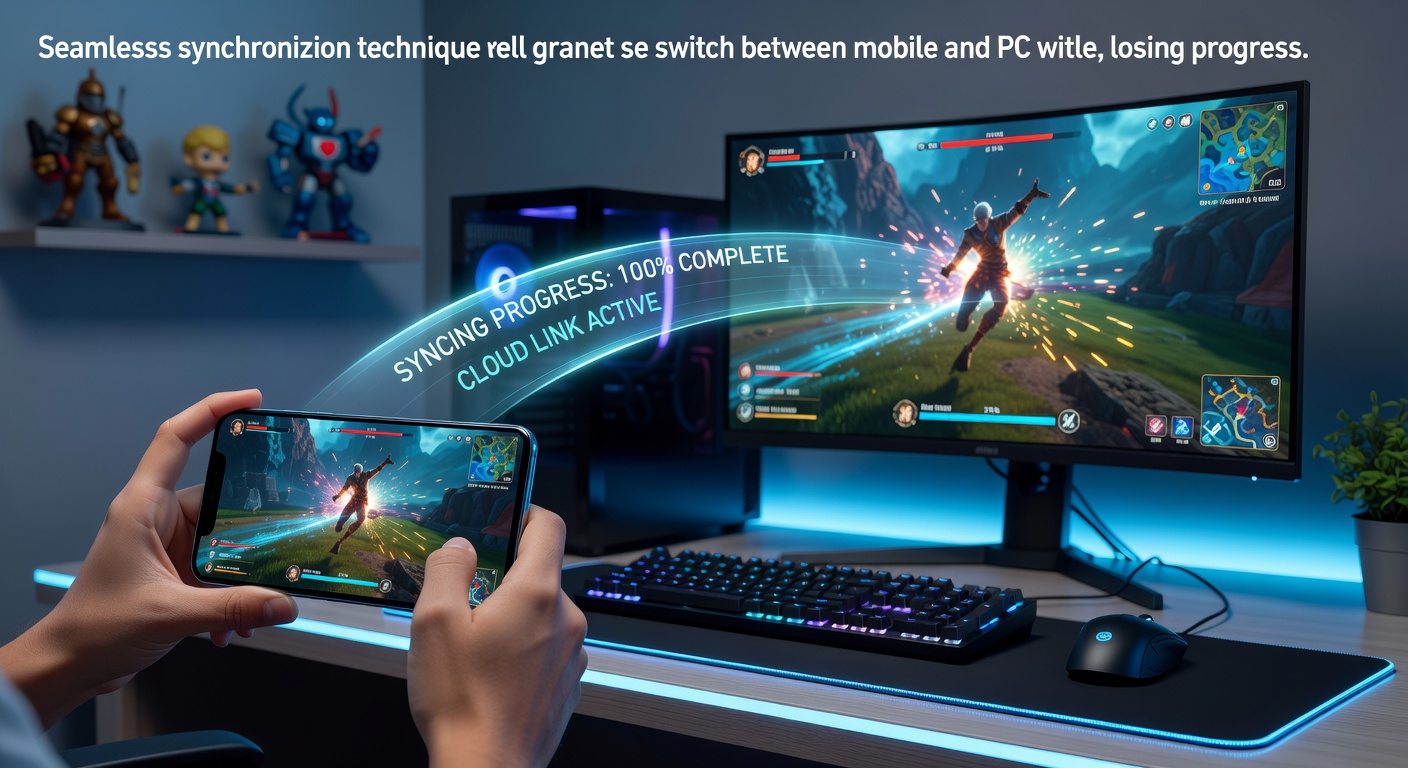
Developers rely on cloud-based storage solutions combined with real-time data replication protocols to maintain game states across devices, and these systems handle everything from inventory changes to quest completions without requiring manual intervention. Research from industry groups shows that adoption of such methods has grown steadily as publishers expand their reach to both mobile and desktop audiences simultaneously.
Core Mechanisms Behind Device Transitions
Cloud saves form the foundation for most implementations where game data uploads to remote servers at regular intervals or upon specific triggers like level completion, while local caching allows offline play before reconciliation occurs upon reconnection. Conflict resolution algorithms compare timestamps and merge changes where possible, although some titles prompt users to select versions when discrepancies arise during handoffs.
API integrations from platforms such as Steam and Google Play Games Services enable this flow by providing standardized endpoints for authentication and data transfer, and developers embed these calls directly into their game engines to automate the process. Data indicates that titles using unified accounts across ecosystems experience higher retention rates because players face fewer barriers when moving between sessions on different hardware.
Advanced Synchronization Approaches
Delta syncing techniques transmit only modified portions of save files rather than entire datasets, which reduces bandwidth demands and speeds up transfers especially on mobile networks. Versioning systems track each change with unique identifiers so that rollback options remain available if errors surface during the merge phase.
Real-time streaming methods push updates continuously in background threads while the game runs, whereas batch processing handles larger updates during menu screens or loading sequences. Observers note that hybrid models combining both approaches appear frequently in cross-platform releases because they balance immediacy with efficiency. As of May 2026 figures from global analytics providers reveal increased investment in these layered strategies among mid-sized studios seeking broader market penetration.

Encryption standards protect transmitted data throughout the pipeline, and multi-factor authentication layers verify device ownership before allowing access to stored progress. Researchers from European academic institutions have documented how these security measures integrate with synchronization workflows without introducing noticeable latency in most scenarios.
Platform-Specific Implementations
Console ecosystems often extend their cloud features to mobile companions through companion apps that mirror core save data, while independent developers leverage third-party services like PlayFab or GameSparks for unified backends. Mobile-first titles frequently incorporate PC clients later by retrofitting existing cloud architectures rather than building new ones from scratch.
Case studies from titles that launched simultaneously on multiple platforms demonstrate how early integration of sync logic during development prevents later compatibility issues, and data from trade associations across North America and Asia-Pacific regions supports the effectiveness of this proactive planning. Those who maintain separate but linked accounts for each ecosystem sometimes encounter fragmentation, whereas unified sign-on systems eliminate that friction entirely.
Challenges and Resolutions in Current Use
Network variability poses ongoing hurdles since mobile connections fluctuate more than wired desktop setups, yet adaptive bitrate adjustments and queued operations mitigate most disruptions. Storage limits on certain devices require selective data prioritization so that essential progress elements transfer first while cosmetic items follow when capacity allows.
Testing protocols now include simulated handoff scenarios across simulated network conditions, and reports from regulatory bodies in Canada highlight standardized guidelines emerging around data privacy during these transfers. Developers continue refining these processes as hardware capabilities evolve on both mobile and PC sides.
Conclusion
Overall the combination of established cloud infrastructure, refined syncing algorithms, and cross-platform account systems creates reliable pathways for gamers to maintain continuity regardless of device choice. Ongoing advancements in these areas reflect broader industry shifts toward flexible access models that accommodate varied play styles and hardware preferences without interrupting narrative or mechanical progress.