Tracing the Reach of AAA Marketing Tactics Into Indie Game Strategies
Casey Werner · May 30, 2026

Tracing the Reach of AAA Marketing Tactics Into Indie Game Strategies
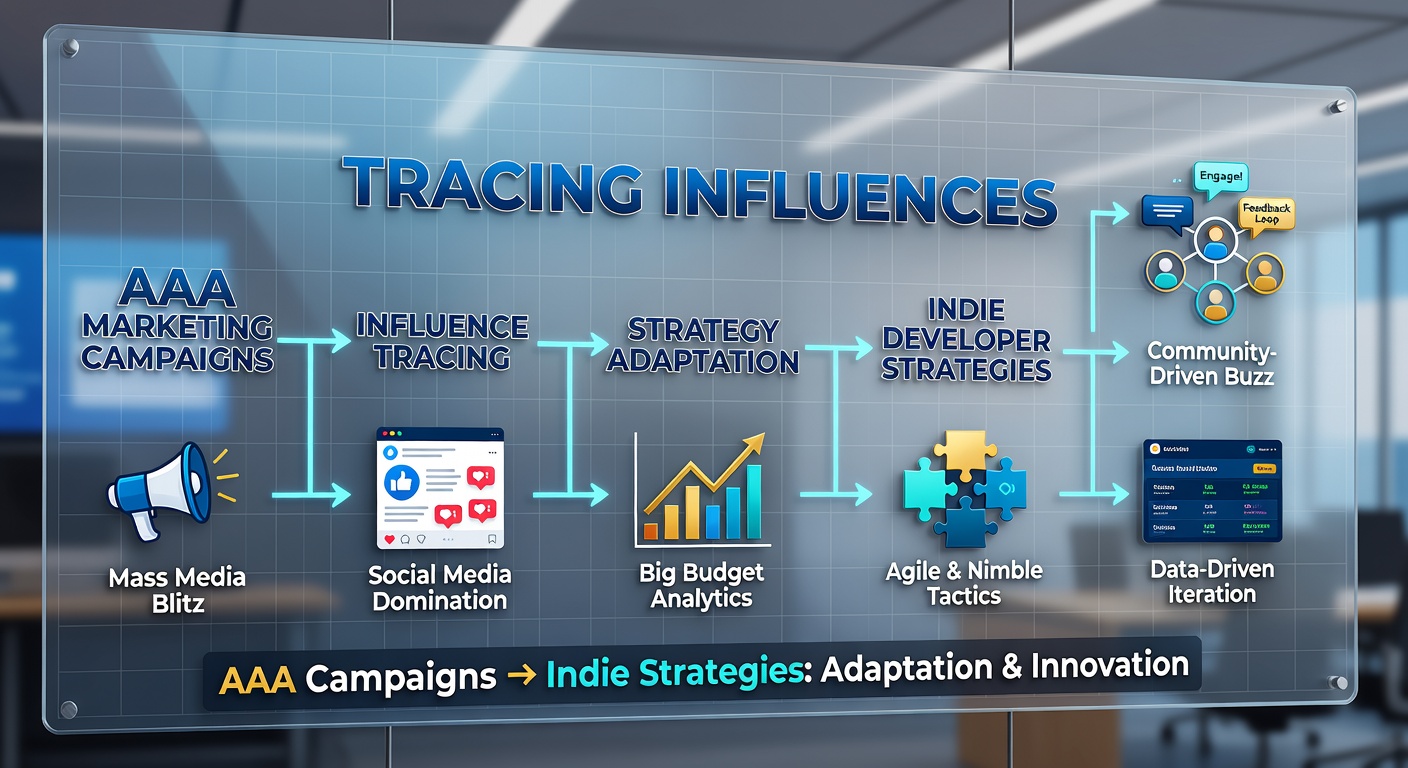
Marketing campaigns from major publishers have long set benchmarks in visibility and audience engagement, and independent developers continue to adopt elements of those approaches as budgets tighten and digital platforms expand reach. Large-scale efforts often feature multi-phase rollouts with teaser trailers, influencer partnerships, and coordinated social media pushes, while smaller teams integrate scaled versions of the same tools to build pre-launch awareness.
Core Components of AAA Marketing Campaigns
AAA titles typically launch with substantial investments in video production and community management, according to data from the Entertainment Software Association, which tracks industry spending patterns across North America. These campaigns emphasize consistent messaging across multiple channels, from console showcases to live streams, and they rely on timed reveals that maintain momentum over months rather than weeks. Independent studios observe these patterns and replicate the sequencing in their own schedules, though with lower production values and targeted outreach to niche forums or Discord servers instead of global events.
Adoption Patterns Among Independent Teams
Researchers at various academic institutions have documented how indie groups incorporate teaser content and early-access builds as direct responses to AAA visibility tactics. One study from a Canadian university examined thirty small studios and found that twenty-two had shifted resources toward pre-release trailers after analyzing successful major releases between 2023 and 2025. Teams allocate portions of limited budgets to micro-influencer deals, mirroring the broader partnerships seen in high-profile launches, and they schedule content drops on platforms where algorithms favor frequent updates.
But here's the thing: many of these adaptations occur through observation rather than formal training, as developers attend industry events and review public case breakdowns from past campaigns. Data from the European Games Developer Federation indicates rising participation in shared workshops on audience analytics tools originally popularized by larger publishers.
Platform and Timing Adjustments
Independent developers adjust campaign calendars to align with major release windows, creating contrast opportunities that draw attention without direct competition. They monitor social metrics in real time, a practice refined through AAA examples, and apply similar segmentation to separate core fans from broader discovery audiences. In May 2026 several smaller studios timed their Steam page updates alongside major summer showcases, using the increased traffic to test conversion rates on wishlist prompts refined from public AAA data reports.
Resource Allocation and Tool Usage
Budget constraints push indie teams toward open-source or low-cost equivalents of analytics platforms favored by bigger operations, yet the underlying strategy remains consistent: gather engagement signals early and iterate messaging accordingly. Trade reports from Australian interactive entertainment associations highlight how regional developers cite AAA social campaigns as reference points when structuring their own email lists and newsletter cadences. Those who've studied this process note that success often hinges on selecting two or three tactics rather than attempting full replication, which preserves focus while still benefiting from proven structures.
Measuring Outcomes Across Scales
Figures from industry surveys reveal that indies employing structured teaser sequences report higher wish-list accumulation rates compared with those relying solely on launch-day announcements. The patterns hold across genres, though narrative-driven projects show stronger correlation with sustained community updates drawn from AAA long-tail engagement models. Observers note that these measurable lifts occur even when total spend remains fractions of major budgets, underscoring the transferable nature of sequencing and channel selection.
Conclusion
Independent developers continue to refine their promotional frameworks by examining the documented successes and structural choices behind AAA campaigns. Through selective adoption of timing, content formats, and metric tracking, smaller teams extend their reach while operating within tighter constraints. This ongoing exchange of methods supports a broader ecosystem where scale differences do not eliminate shared strategic foundations.